


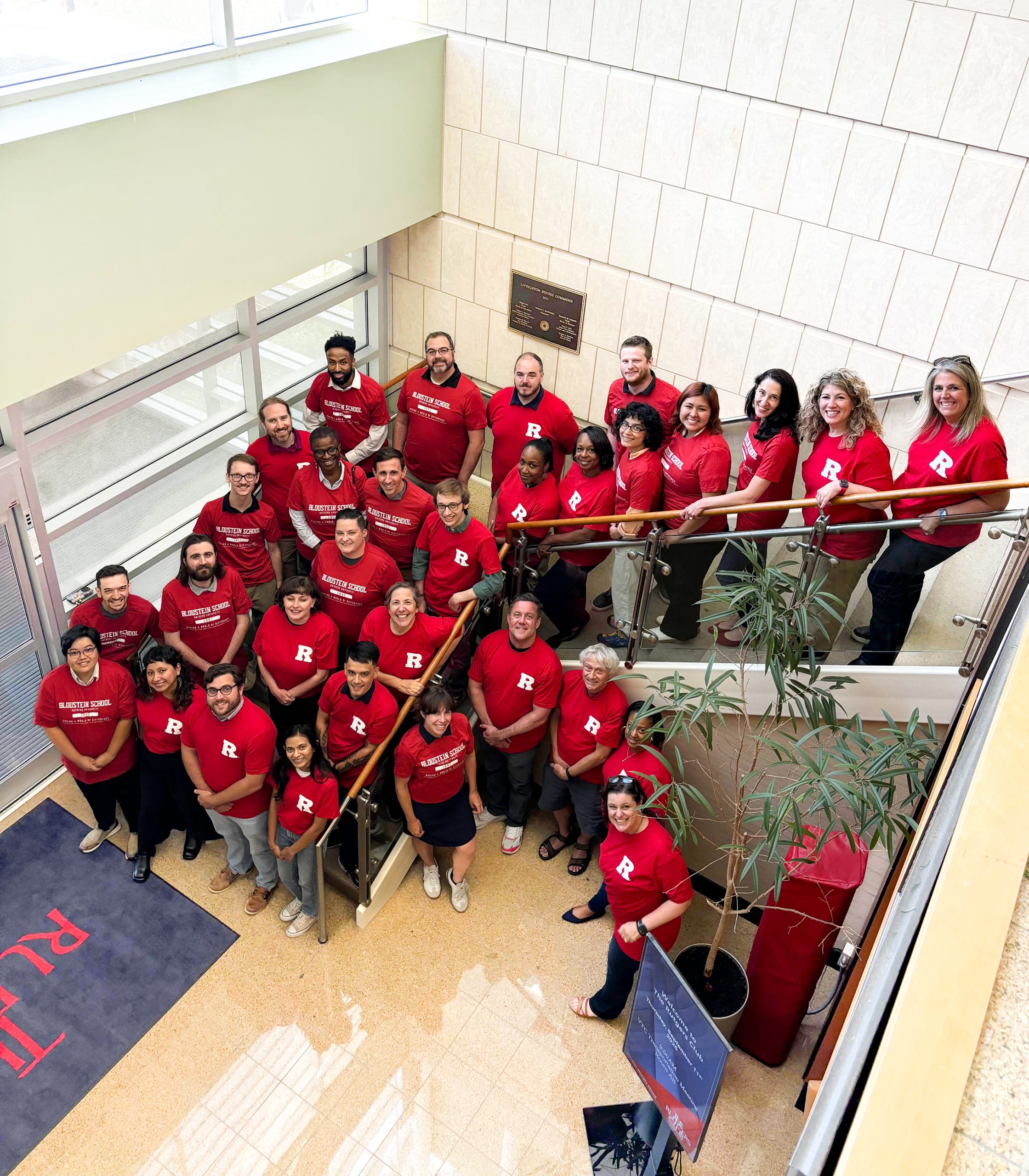
In September, VTC staff came together for a retreat to update our Strategic Plan for 2026–2031. Over the past five years, the center has grown: welcoming new staff, launching innovative projects, and strengthening our collaborations with faculty. During this time, Leigh Ann Von Hagen stepped into the role of Executive Director at VTC and Geisha Ester became Executive Director of the National Transit Institute (NTI). We were eager to reconnect, share ideas, and envision the next chapter for VTC.
The Rutgers Club, with its views of the Livingston campus and tree-lined walkways, provided the perfect backdrop. In preparation, staff completed a strengths-based assessment, which we discussed during the retreat. Among other traits, we discovered we are philomaths—lovers of learning—as well as problem-solvers, strategists, coaches, and empathizers. These qualities guide how we approach transportation challenges: with curiosity, creativity, and care.
We were joined by Geisha Ester and the NTI team. Together, we reflected on VTC’s areas of expertise: transit-oriented development, public transit, pedestrian and bicycle safety, access for disadvantaged populations, complete streets and safe routes to schools, healthy community design, transportation resilience, community engagement, sustainable funding, economic effects of infrastructure investments, technology transfer, and smart growth. We also explored ways to elevate other areas of expertise, including advancing technology, leveraging new data sources, building partnerships, and applying intersectional approaches.
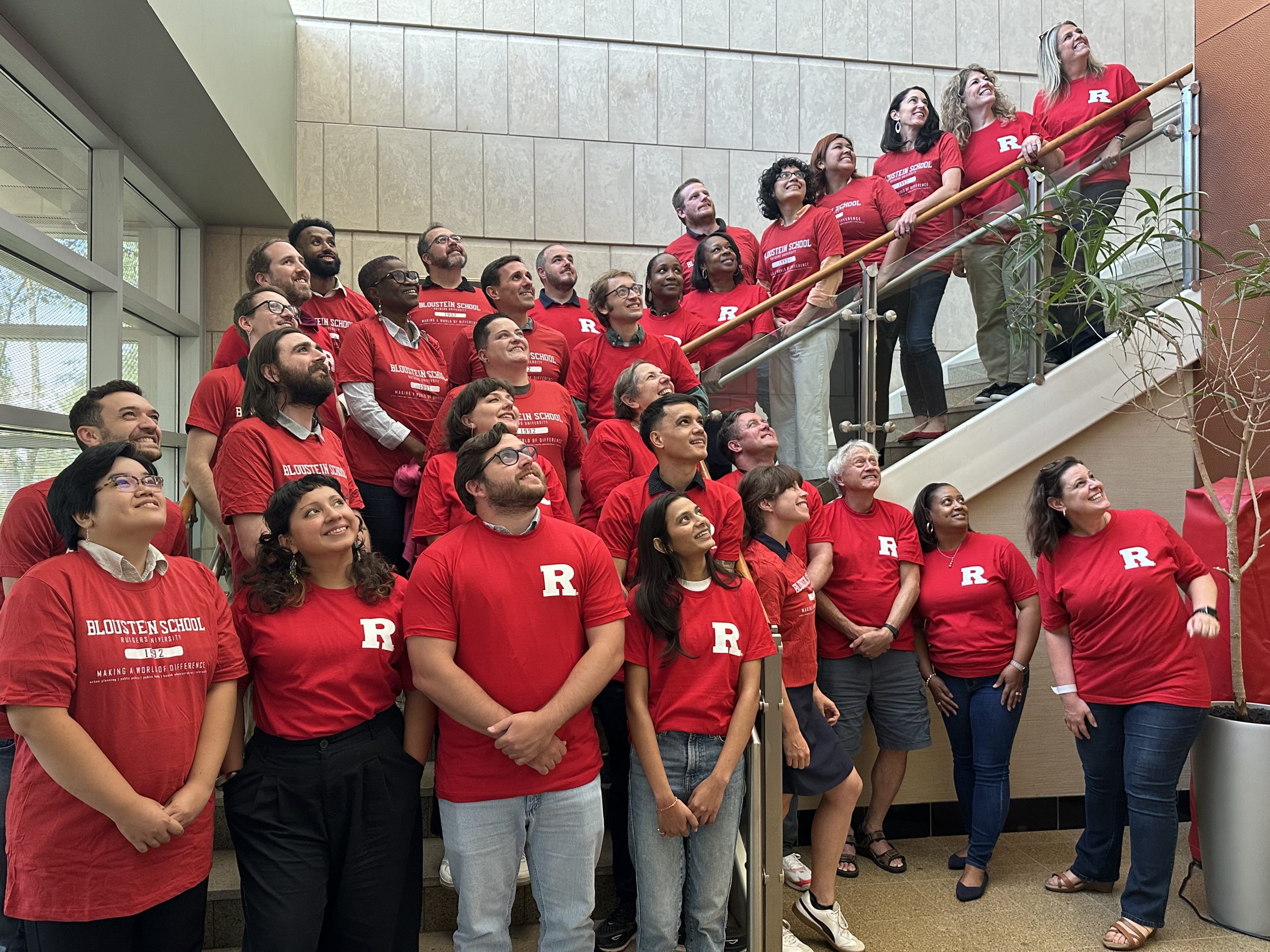
When taking a picture turns into its own photo op. VTC caught getting its photo taken.
Collaboration emerged as a central theme. Staff shared ideas to strengthen research, training, technical assistance, and communications, while also exploring emerging opportunities in health and transportation, technology transfer, data collection, and expanded access for underserved populations.
By the end of the retreat, we developed a shared vision for VTC’s future: a center that continues to tackle transportation challenges through research, strategic thinking, and innovative approaches, while remaining responsive to the communities we serve. This vision reflects our commitment to solving problems, sharing knowledge, and informing decisions.
Equally important, we left feeling more connected to one another, with trust and understanding that will support teamwork for years to come. We look forward to continuing these conversations as we shape the Strategic Plan and build a transportation future that is safe, innovative, and accessible for all.