



Robert B. Noland, PhD
Recently, Transportation Research Part D invited Dr. Noland to reflect on how transportation research has evolved over the course of his career. In this editorial, he draws on decades of work to highlight key lessons the field has learned, including his foundational research on induced travel, which showed that expanding highway capacity often increases — rather than reduces — congestion.
Top Ten Takeaways from The Impact of Research on Transportation and the Environment
- Transportation research has advanced significantly over the past 30 years, especially in understanding travel behavior, safety, and environmental impacts — but policy adoption has been uneven.
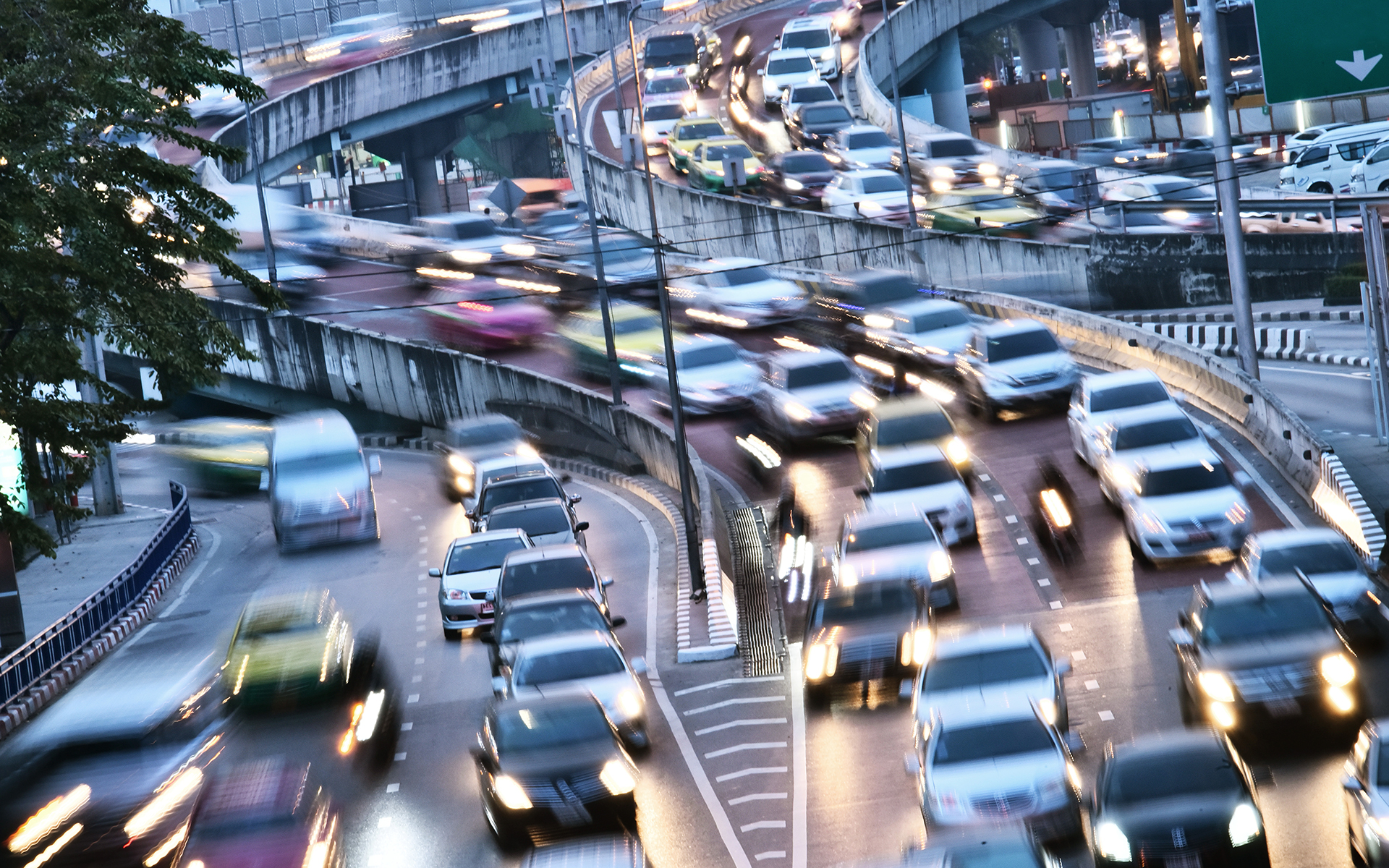
- Research consistently shows that expanding highway capacity leads to induced travel and higher emissions, yet many agencies continue to prioritize road expansion without fully accounting for these effects.
- One major area of progress is recognition that the built environment influences travel behavior. Research on density, diversity, and design helped shift policy discussions toward compact, mixed-use, and walkable development patterns.
- Transportation and land use planning are now more closely linked in practice, reflecting a stronger research consensus than existed in the 1990s.
- New transportation technologies — including micromobility, shared mobility, autonomous vehicles, and electric vehicles — generate significant research interest, but their policy implications remain unclear.
- Much emerging technology research relies on readily available platform data and advanced analytical methods, but often stops short of producing actionable guidance for policymakers.
- The rapid growth in transportation research publications makes it harder to identify consensus findings and key lessons for practitioners.
- Academic publishing incentives often favor volume over synthesis, highlighting the need for more evidence reviews and policy-focused research summaries.
- Stronger connections between research and policy are needed, especially as environmental and vehicle efficiency regulations face rollbacks.
- Future research should more directly address the politics of transportation and environmental decision-making, not just technical and behavioral questions.
Dr. Noland’s reflections point to a clear takeaway: transportation research has produced strong, consistent findings, but turning that knowledge into policy and practice remains an ongoing challenge. Strengthening the link between research, decision-making, and public outcomes will shape the next generation of transportation and environmental progress.