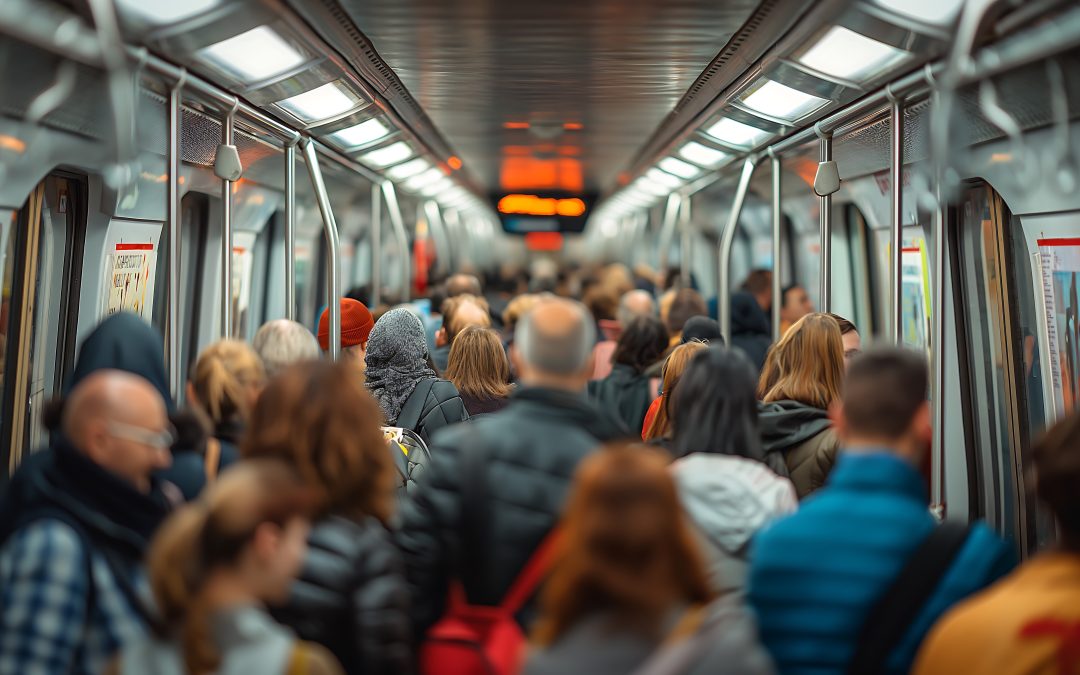
Over 7,500 public transit users in New Jersey, U.S., were surveyed to gather feedback on their public transit experiences and safety concerns. We analyzed concerns for safety, experiences of harassment and assault, and perceptions of safety with regard to police, security cameras, and public transit employees.
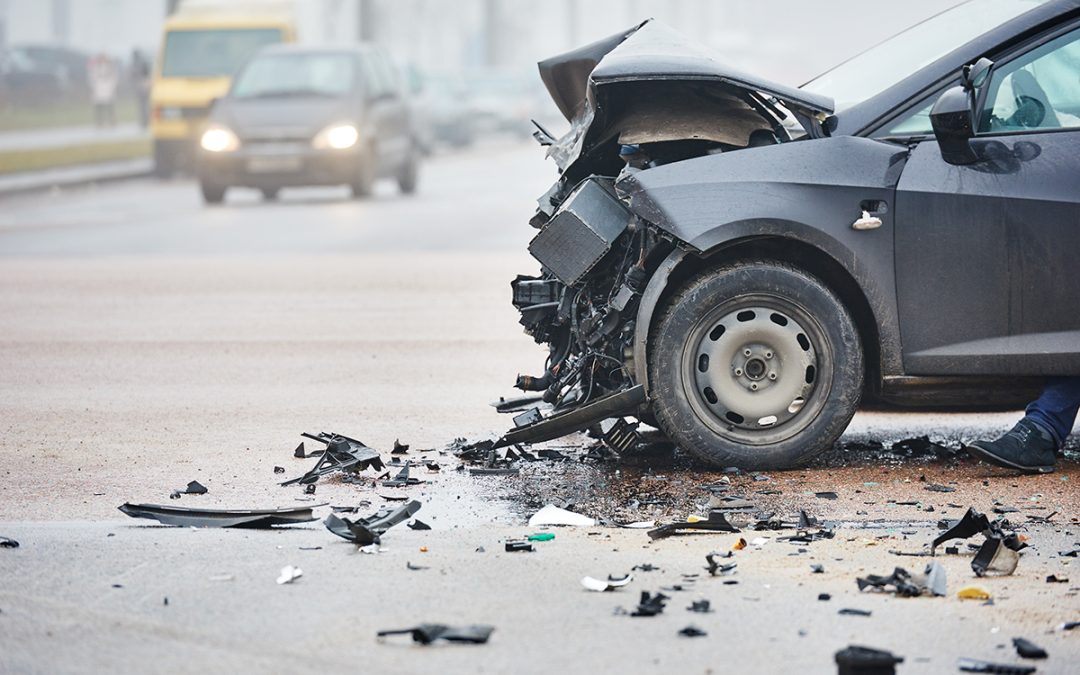
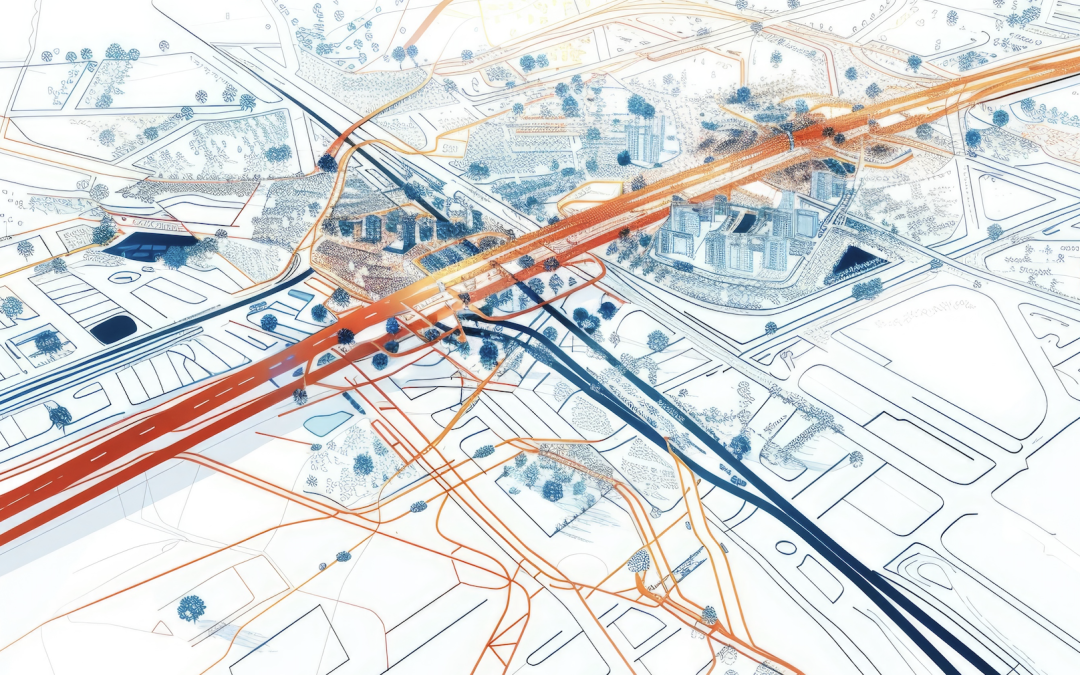
Younes and Noland document the availability of crash data across the U.S., highlights best practices for improving access and transparency, and shares a public database to support researchers, advocates, and decision makers in advancing traffic safety.
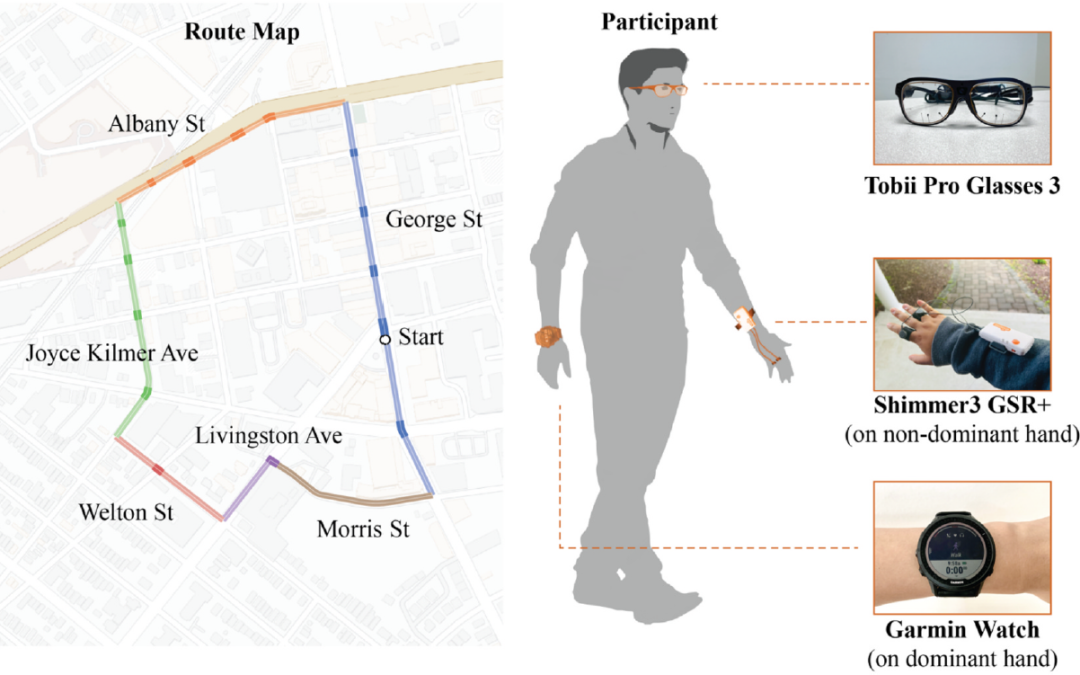
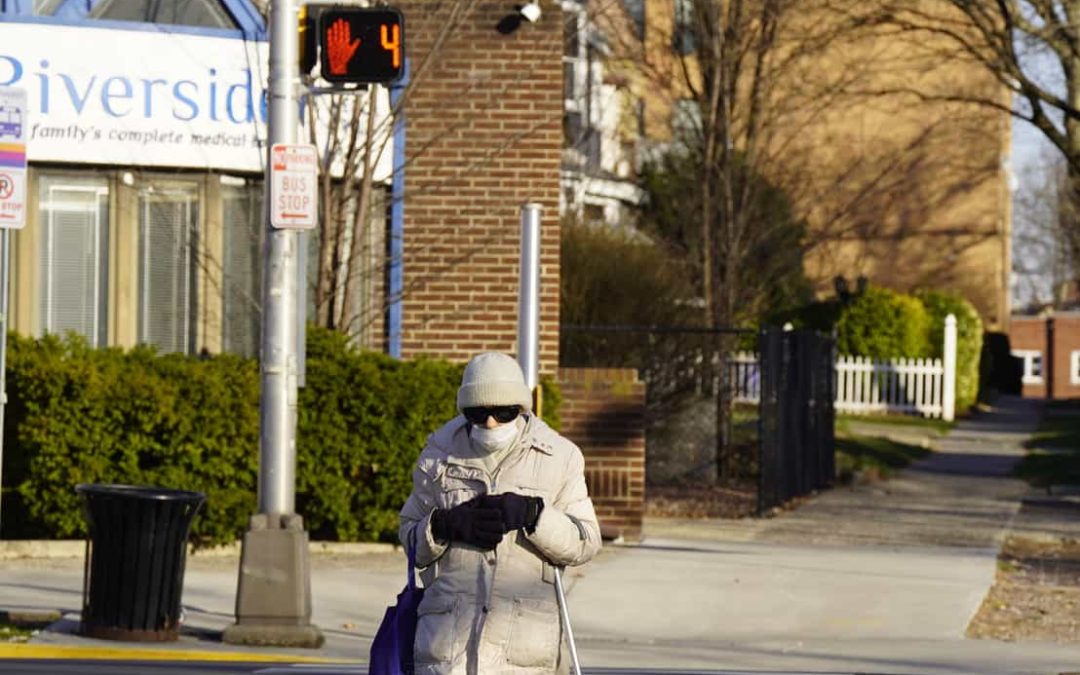
Biometric sensors can track pedestrian stress in real time, but may not always match self-reports. Electrodermal activity captures quick stress spikes, while heart rate and gaze reflect longer-term stress.
Younes and Noland document the state of crash data availability in the US and identify best practices for managing and making crash data openly accessible.
We examine who can work from home during the pandemic and whether this behavior will persist post-pandemic by conducting two representative online surveys in New Jersey.
The researchers investigated the relationship between people who worked from home during the pandemic and how often they walked before, during, and after COVID.
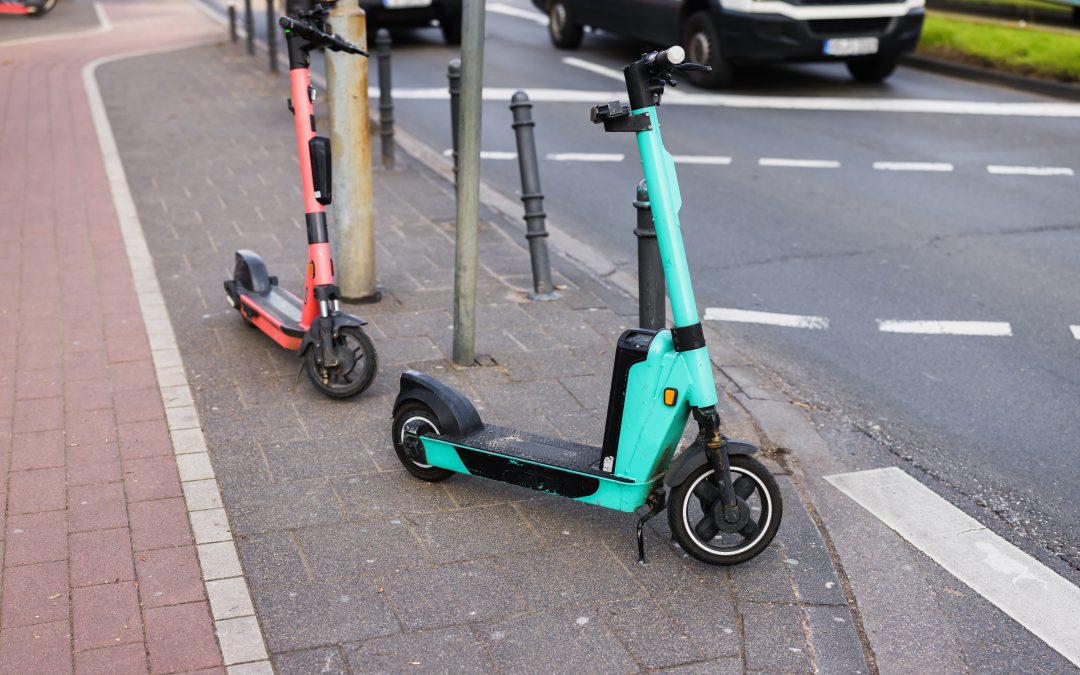
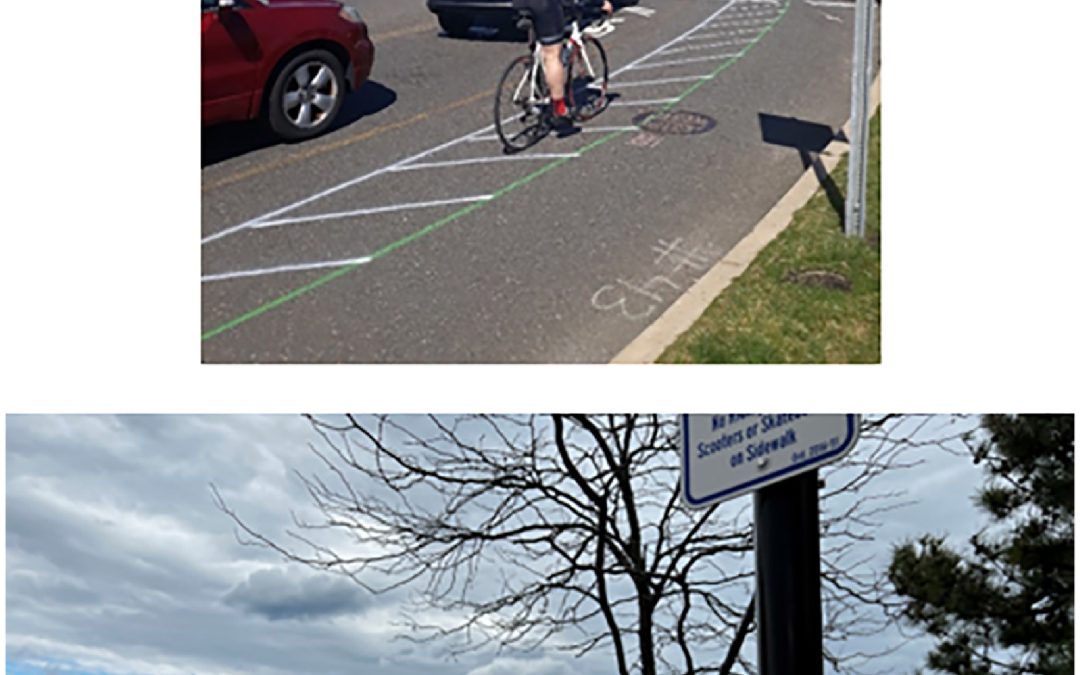
In this study, researchers Hannah Younes, Robert B. Noland, and Clinton J. Andrews used traffic camera footage to observe the behavior of over 700 shared e-scooters and privately owned bicycles in Asbury Park, New Jersey. The authors discuss policy implications with regard to safety and gender differences between the two modes of transit.
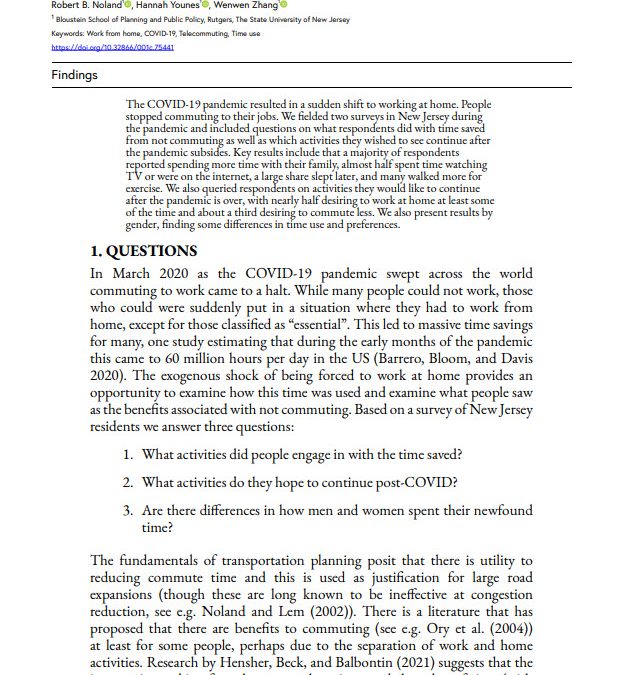
The researchers fielded two surveys in New Jersey during the pandemic and included questions on what respondents did with time saved from not commuting as well as which activities they wished to see continue after the pandemic subsided.
Virtual public involvement (VPI), defined by the Federal Highway Administration as “the use of digital technology to engage individuals or to visualize projects or plans,” is now an essential part of public participation in transportation planning and project...
We report on an analysis of carbon emissions from commuting to a large multi-campus university system, Rutgers, the State University of New Jersey. This is derived from a campus survey to assess carbon emissions and various attitudes towards sustainability across a...
Women and sexual and gender minorities (SGMs) have unique transportation experiences and needs, including public transit services. However, there is a gap in the data that documents their experiences and needs. This paper aims to add to existing research by examining...
Since its creation in 1979, NJ TRANSIT has grown into the geographically largest public transit system in the United States. Over more than four decades, the agency’s financial structure has shifted in response to changing state and federal priorities—shaping service...