


An analysis of commuting at Rutgers University finds that driving is a major source of emissions and that requiring more in-person workdays increases overall commuting-related carbon output.

An analysis of commuting at Rutgers University finds that driving is a major source of emissions and that requiring more in-person workdays increases overall commuting-related carbon output.
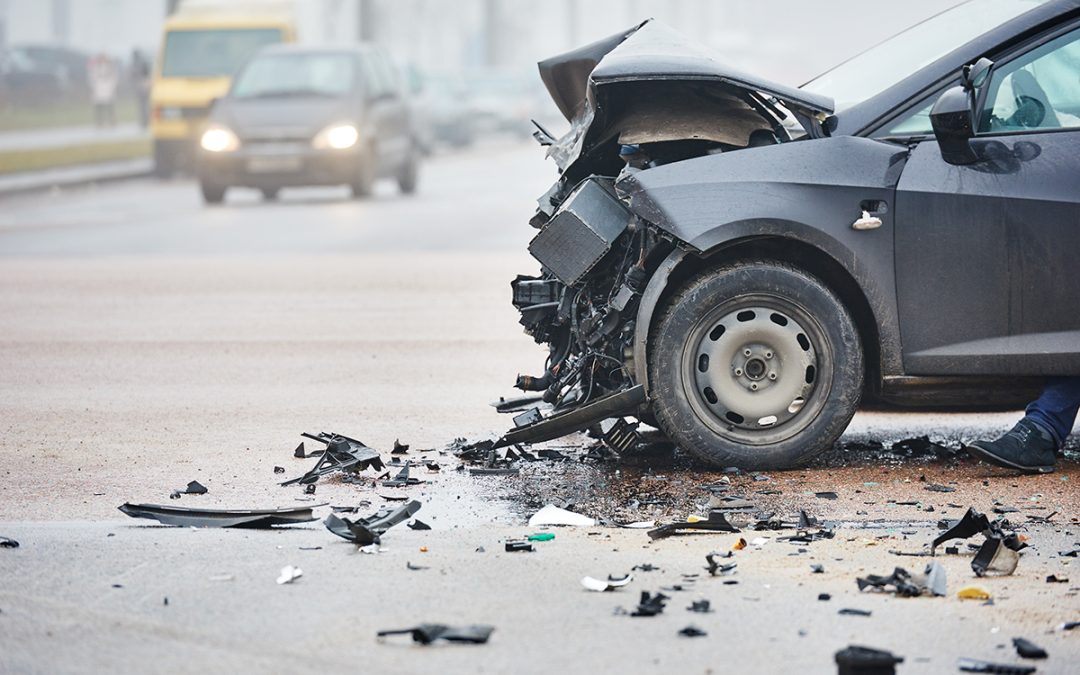
Younes and Noland document the availability of crash data across the U.S., highlights best practices for improving access and transparency, and shares a public database to support researchers, advocates, and decision makers in advancing traffic safety.
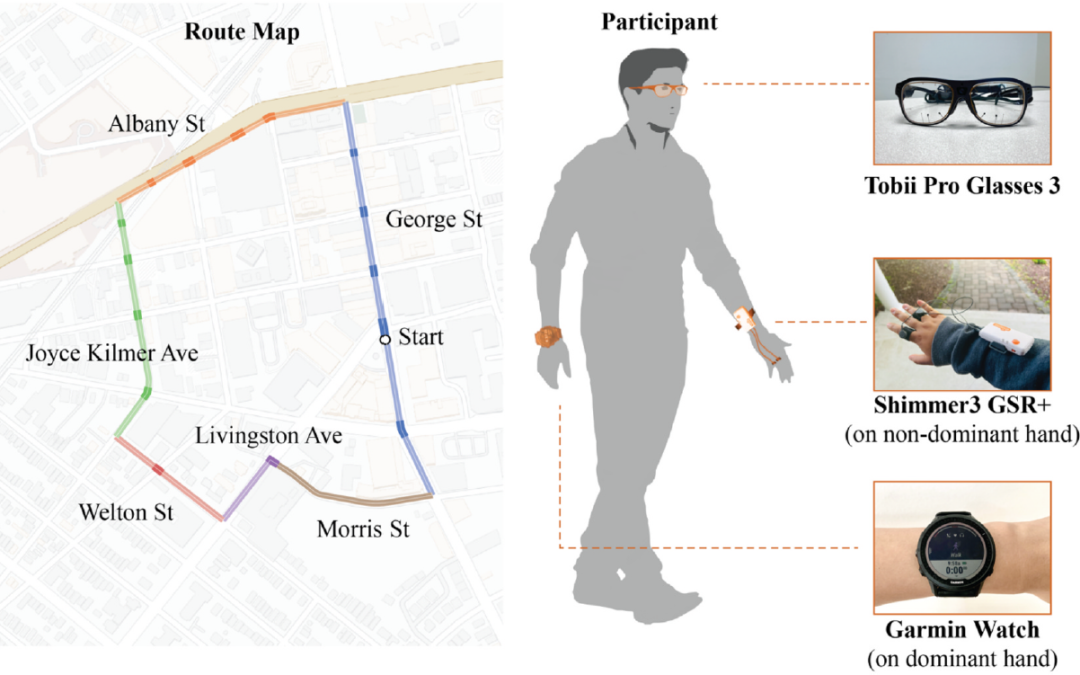
Biometric sensors can track pedestrian stress in real time, but may not always match self-reports. Electrodermal activity captures quick stress spikes, while heart rate and gaze reflect longer-term stress.

What are the elasticities associated with local roads, specifically those associated with roads for a new residential development? This question is addressed by calculating the trips generated from a development assuming different levels of trips generated from each residence.
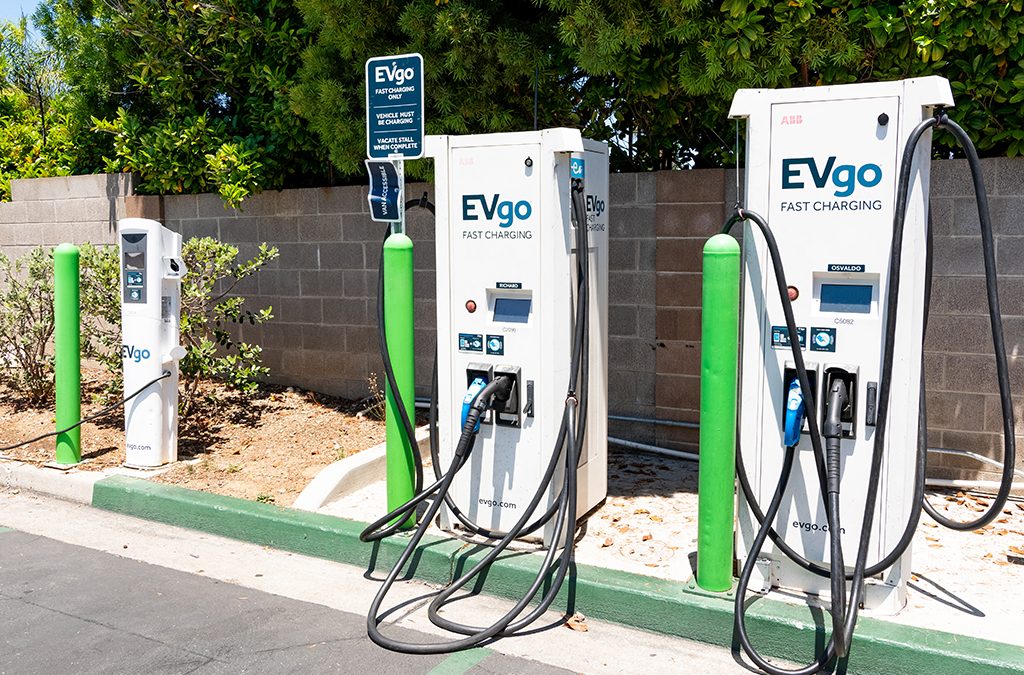
Loh and Noland found that although overall access to EV charging stations in the San Francisco Bay Area is low, the disparity between income groups is minimal—highlighting the urgent need to expand charging infrastructure to meet future demand.
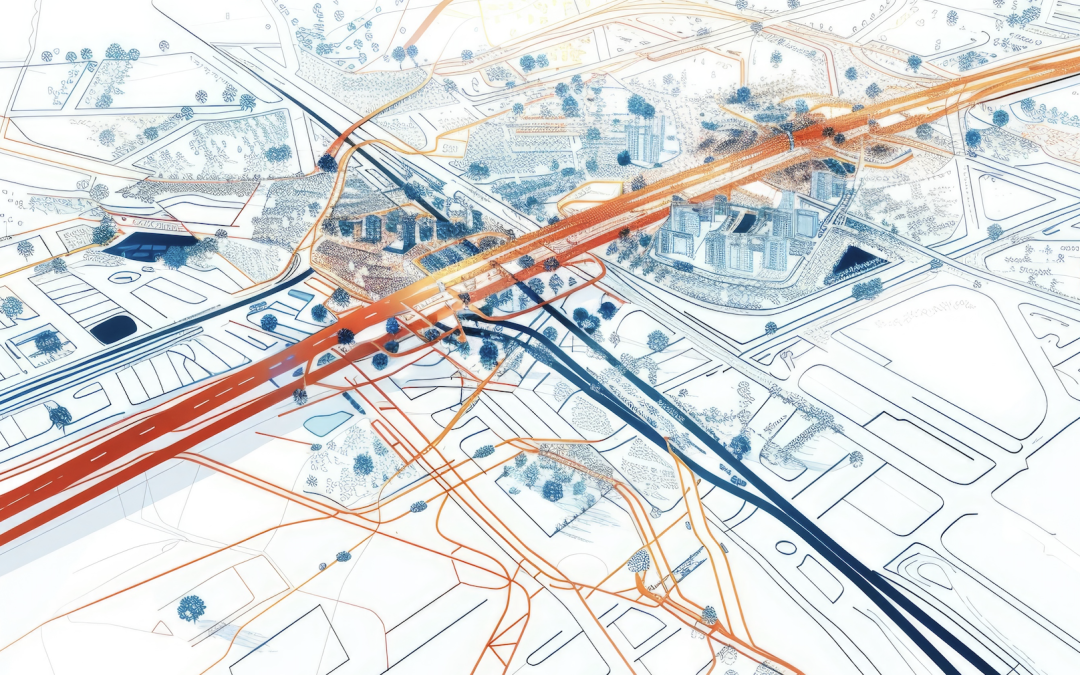
Younes and Noland document the state of crash data availability in the US and identify best practices for managing and making crash data openly accessible.
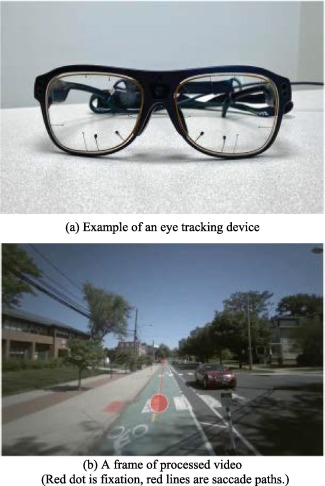
With improved portability and affordability, eye tracking devices have facilitated an expanding range of cycling experiments aimed at understanding cycling behavior and potential risks.
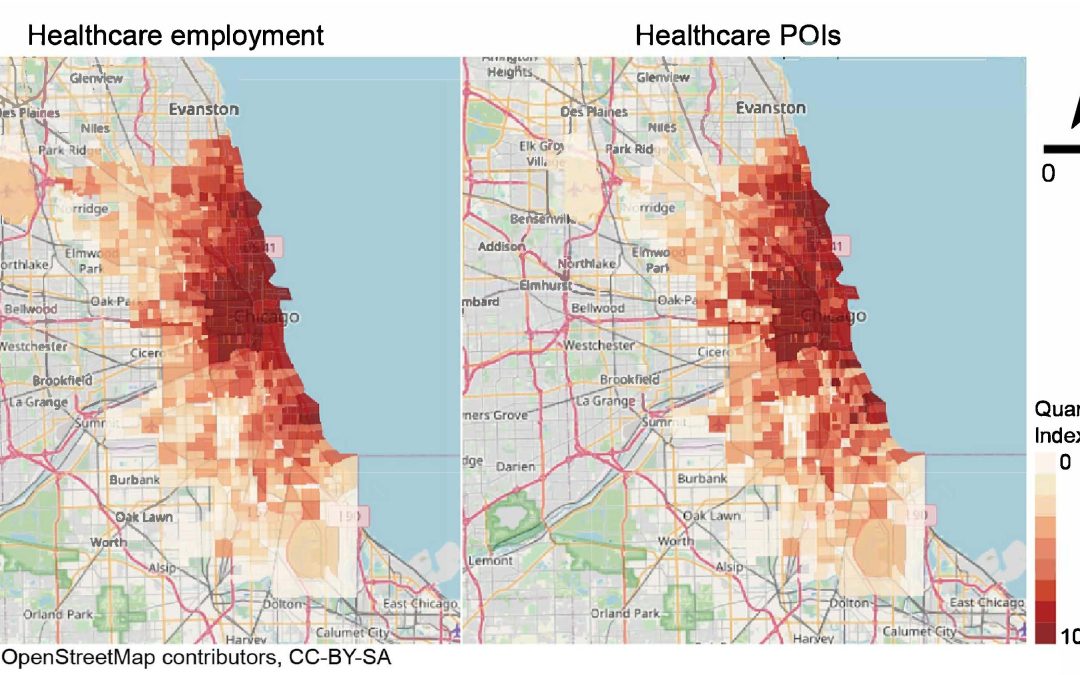
We contribute to the literature on new mobilities by measuring spatial disparities in travel times for accessing essential non-work destinations via ridehailing.

We examine who can work from home during the pandemic and whether this behavior will persist post-pandemic by conducting two representative online surveys in New Jersey.
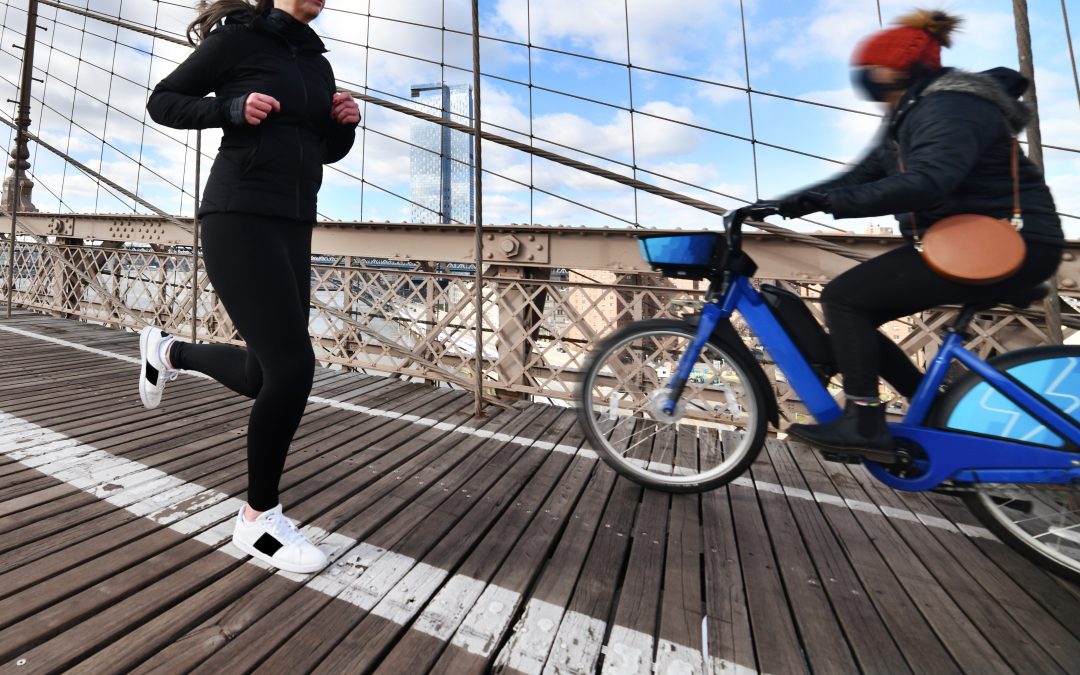
Study investigates the difference between shared electric bicycles (e-bikes) and conventional shared bikes operated by Citi Bike in New York City.
Transportation researchers rarely publish findings from qualitative methods in peer-reviewed transportation journals; quantitative methods dominate research in the field. In this article, we document the paucity of qualitative research in transportation journals and...
Virtual public involvement (VPI), defined by the Federal Highway Administration as “the use of digital technology to engage individuals or to visualize projects or plans,” is now an essential part of public participation in transportation planning and project...
We report on an analysis of carbon emissions from commuting to a large multi-campus university system, Rutgers, the State University of New Jersey. This is derived from a campus survey to assess carbon emissions and various attitudes towards sustainability across a...
Women and sexual and gender minorities (SGMs) have unique transportation experiences and needs, including public transit services. However, there is a gap in the data that documents their experiences and needs. This paper aims to add to existing research by examining...