NJ TRANSIT’s funding history shapes today’s transit system—this report maps past decisions and a path to a more reliable future.
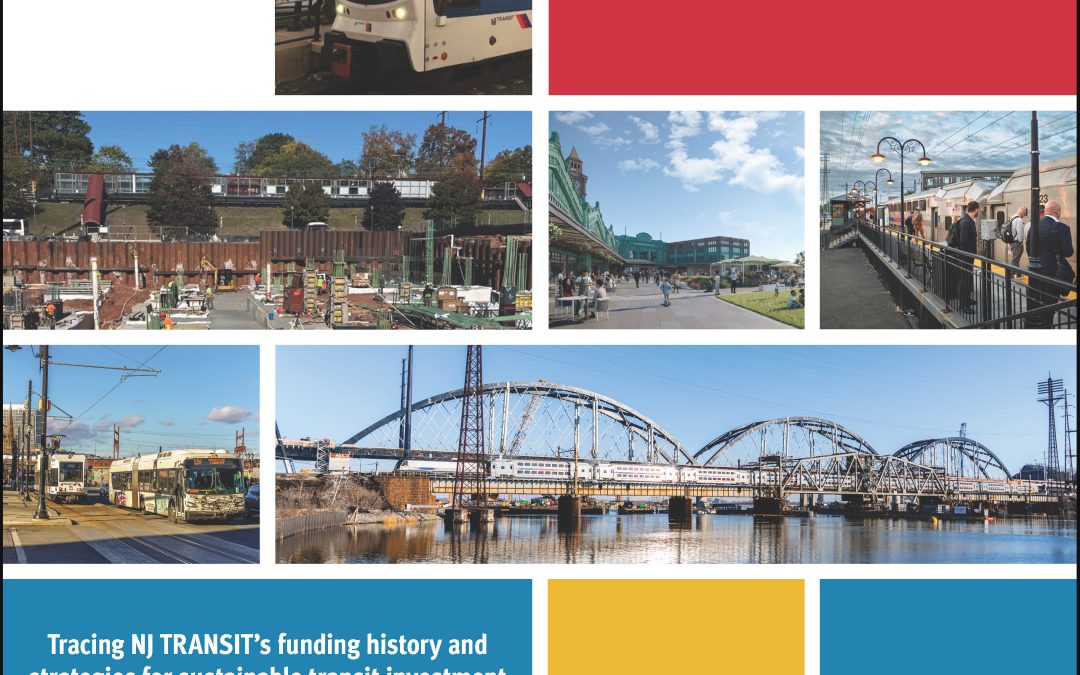


NJ TRANSIT’s funding history shapes today’s transit system—this report maps past decisions and a path to a more reliable future.
Freight Movement as an Economic Indicator for New Jersey Martin E. Robins, Pippa Woods with Kaan Osbay, PhD, Center for Advanced Infrastructure and...

Principles for a U.S. Public Freight Agenda in a Global Economy Martin E. Robins and Anne Strauss-Wieder, 28 pages. A paper prepared for The...

Reform, Revenue, Results: How to Save New Jersey's Transportation System Regional Plan Association, 16 pages. VTC and the Bloustein School served as...
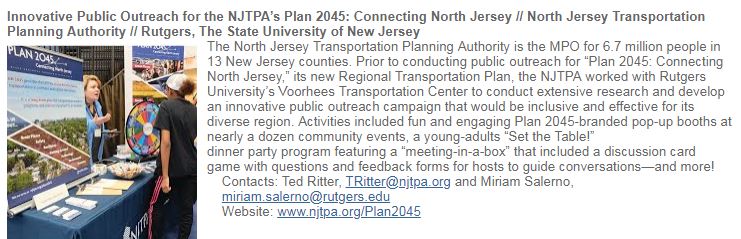
Putting the Trust Back in the New Jersey Transportation Trust Fund (Executive Summary) Regional Plan Association, 8 pages. VTC and the Bloustein...
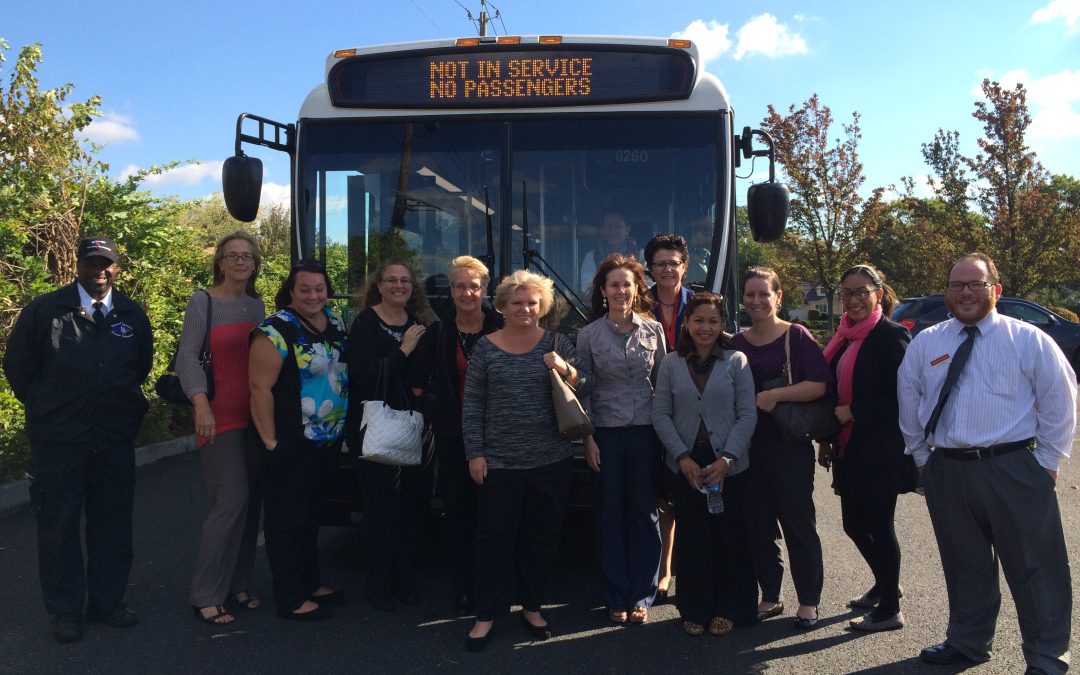
Evaluation of NJ Turnpike and Port Authority Variable Pricing In partnership with City University of New York (CUNY), VTC conducted research on the...

The Crisis in State Transportation Finance: Lessons Learned from the New Jersey Experience Martin E. Robins, 11 pages. An article published in The...
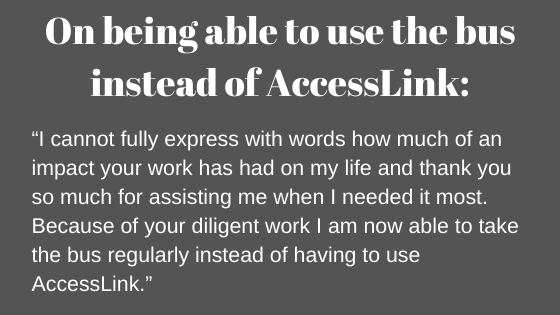
Fuel Price Adjustment Techniques: A Review of Industry Practice 24 Pages. A Report Prepared for the Monmouth County (NJ) Department of Human...
Blue Ribbon Commission Report: Recommendations for Ensuring a Strong Transportation Network for the 21st Century Blue Ribbon Transportation...
Bi-State Interdependence Symposium: The Economy and Transportation Summary Proceedings, 19 Pages. Summary of a joint symposium held at New York...
Virtual public involvement (VPI), defined by the Federal Highway Administration as “the use of digital technology to engage individuals or to visualize projects or plans,” is now an essential part of public participation in transportation planning and project...
We report on an analysis of carbon emissions from commuting to a large multi-campus university system, Rutgers, the State University of New Jersey. This is derived from a campus survey to assess carbon emissions and various attitudes towards sustainability across a...
Women and sexual and gender minorities (SGMs) have unique transportation experiences and needs, including public transit services. However, there is a gap in the data that documents their experiences and needs. This paper aims to add to existing research by examining...
Since its creation in 1979, NJ TRANSIT has grown into the geographically largest public transit system in the United States. Over more than four decades, the agency’s financial structure has shifted in response to changing state and federal priorities—shaping service...