


VTC joined the New Jersey State Policy Lab and other Rutgers researchers in offering research-backed strategies to support transportation, housing, and infrastructure improvements under New Jersey’s new administration.

VTC joined the New Jersey State Policy Lab and other Rutgers researchers in offering research-backed strategies to support transportation, housing, and infrastructure improvements under New Jersey’s new administration.

As e-bikes and other micromobility devices grow in popularity, it’s essential for young riders and their guardians to understand how to use them safely. These devices offer a fun, healthy, and eco-friendly alternative to driving. The following guidance can help families and communities stay safe while sharing the road.

Look for VTC and others from the Bloustein School at the annual conference of the Association of Collegiate Schools of Planning (ACSP) in Minneapolis!
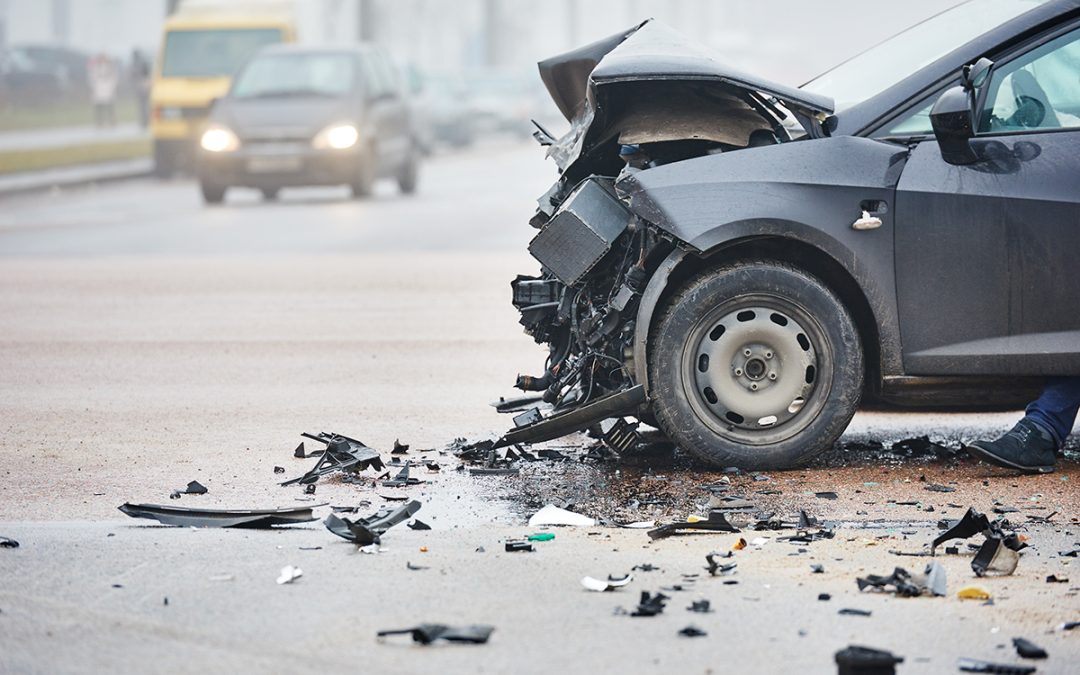
A new VTC-authored report examines how states share crash data and highlights best practices—such as public dashboards—that can help New Jersey improve safety and transparency.
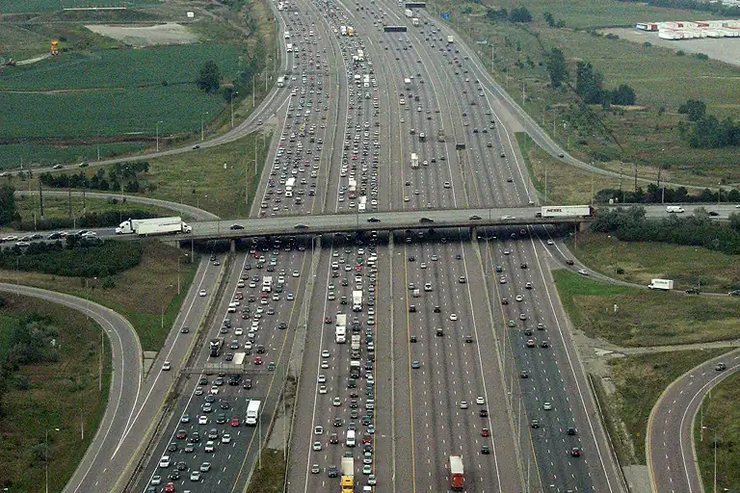
VTC Director Dr. Robert Noland was recently cited in the Quebecois publication La Presse.
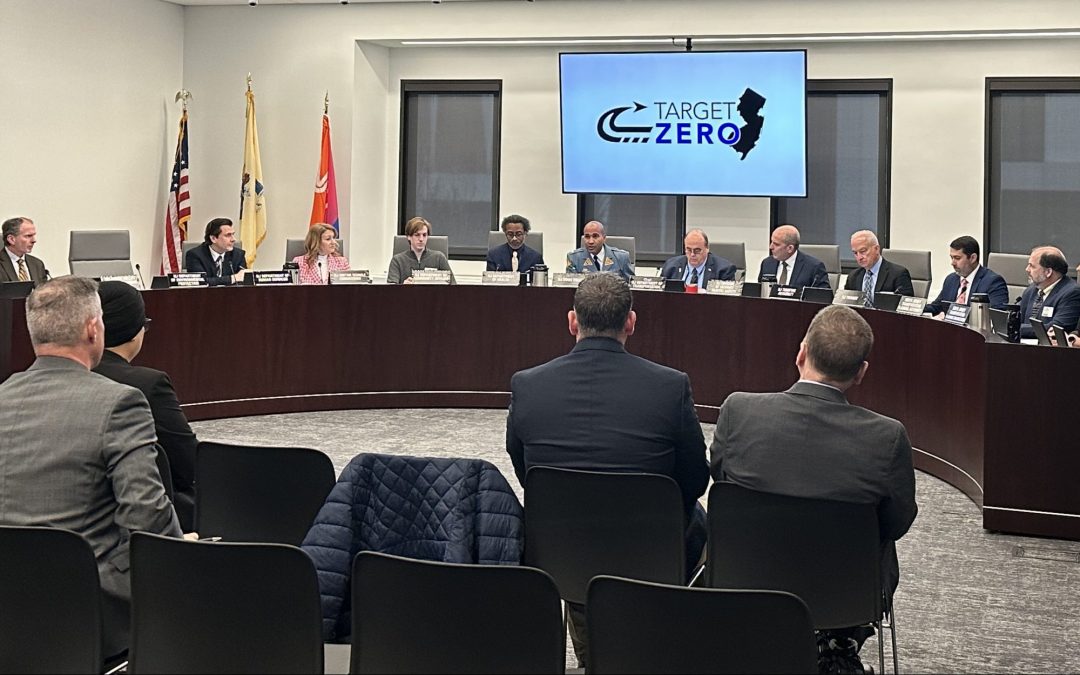
New Jersey has set an ambitious goal to eliminate roadway fatalities and serious injuries by 2040. To reach that vision, the New Jersey Target Zero Working Group members are developing a first-of-its-kind statewide Target Zero Action Plan, and we need your feedback to get it right.

Geisha D. Ester has been named Executive Director of the National Transit Institute (NTI), a signature initiative of the Alan M. Voorhees Transportation Center at Rutgers University. With over 27 years in the transit industry and a strong focus on workforce development, Ester will lead NTI’s national training programs to support transit professionals across the country.

Graduate student Yingning Xie found that e-bikes provide a promising alternative for improving healthcare access, helping individuals more easily reach their preferred providers.

It was a typical workday for VTC’s Dr. Hannah Younes—until she received an unexpected email from Abdullah Elzawawy, a 16-year-old student at River Dell High School in Oradell, NJ. It’s not every day that someone still in high school reaches out with such genuine passion for making streets safer.

With support from the New Jersey Department of Environmental Protection’s Resilient NJ Municipal Assistance Program, the Environmental Analysis & Communications Group and VTC-POET will work with several NJ municipalities to develop locally specific Climate Change-Related Hazard Vulnerability Assessments (CCRHVAs).
We compare charging station accessibility for different income groups in the San Francisco Bay Area. Using a microsimulation model, we estimate charging station accessibility under varying battery range scenarios, assuming different income groups have vehicles with...
The New Jersey Micromobility Guide serves as a resource for micromobility users across the state, collecting and summarizing the laws and safety best practices that can make riders safer. Micromobility, which includes e-bikes, e-scooters, and other low-speed devices,...
Most locations across the world have a large un-tapped pool of people who do not bike at all and an even larger pool who do not bike for transportation. To increase cycling, we must better understand this group and the reasons they do not ride. I propose a new theory...
Though data on fatal crashes are available through the Fatality Analysis Reporting System (FARS) and are readily available to the public, many states do not make their crash data (including injuries) easily accessible for the public and the research community. The...