


Register now! Learn about the best practices and resources that you can use to increase safety and accessibility in your community.
Register now! Learn about the best practices and resources that you can use to increase safety and accessibility in your community.

In a new editorial, VTC Director Robert Noland, PhD, reflects on how transportation and environmental research has evolved over the past three decades, highlighting major findings and persistent gaps between research and policy. His perspective underscores why evidence-based planning remains essential to transportation decision-making.
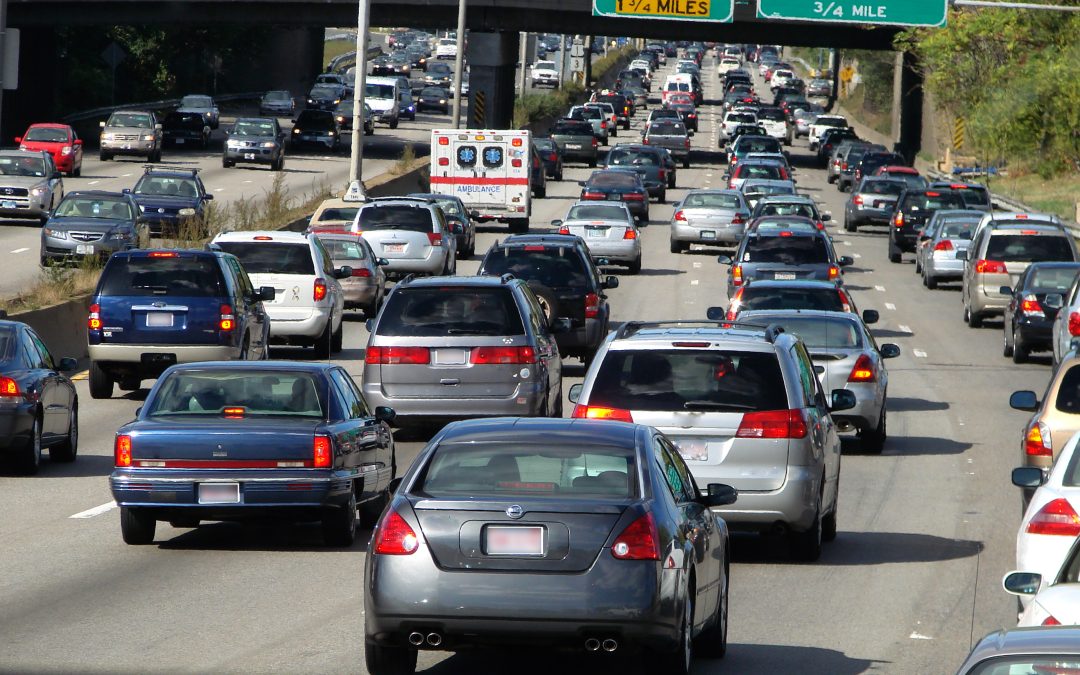
The New Jersey Target Zero Commission adopted its first statewide Action Plan on December 15, 2025, outlining 72 actions to eliminate roadway fatalities and serious injuries by 2040. A centerpiece of the plan is the Target Zero Rapid Response Program, which deploys multidisciplinary teams to review fatal crashes and implement immediate safety improvements.
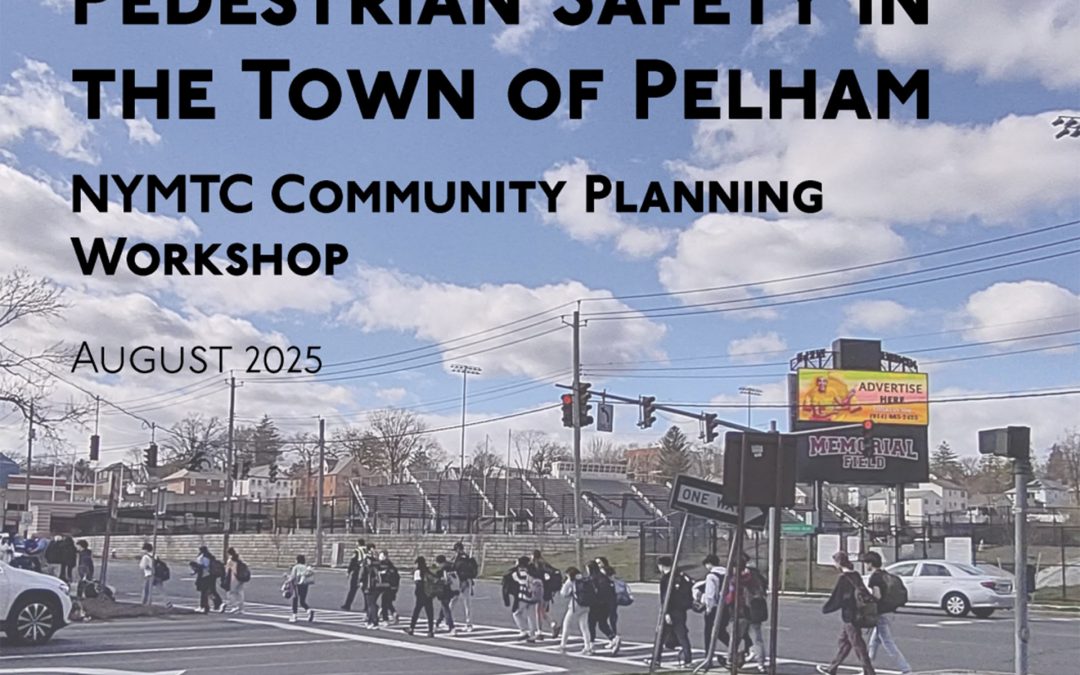
POET continues to support the NYMTC Community Planning Workshop program. The Town of Pelham held a virtual public workshop to gather public input on...
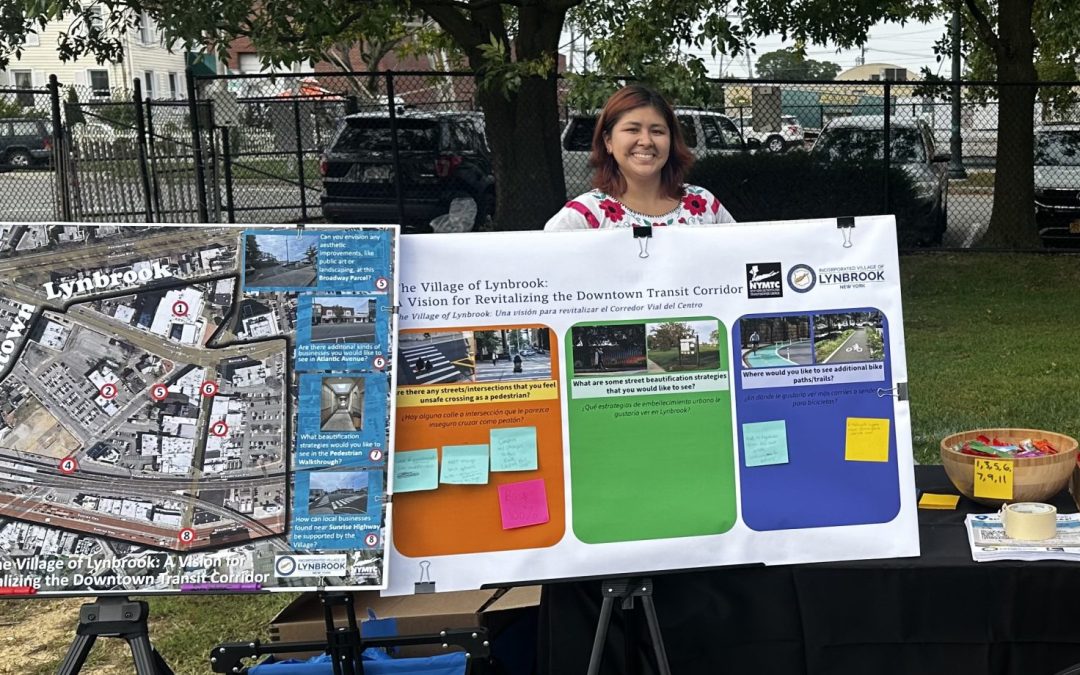
Kenia Gonzalez recently joined the Alan M. Voorhees Transportation Center as Bilingual Outreach Specialist. In this Q&A, she shares how language access and bilingual outreach support more inclusive transportation planning.
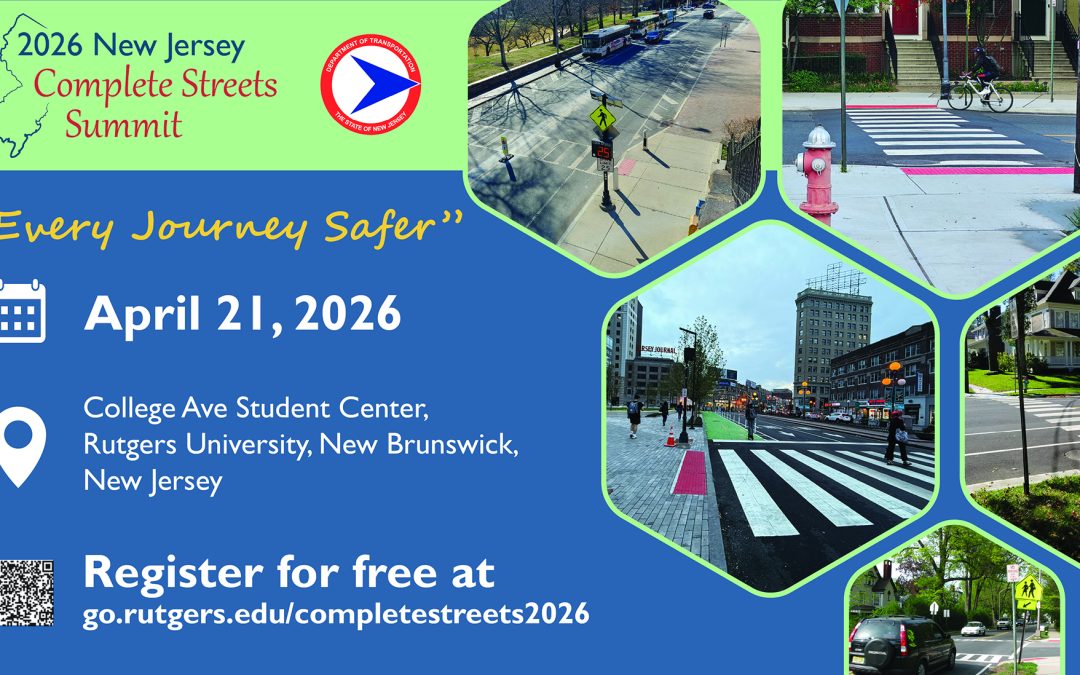
Registration is now open for the 2026 New Jersey Complete Streets Summit! Join the NJDOT and transportation leaders as we work toward making every journey safer across the state.
The Alan M. Voorhees Transportation Center (VTC ) of the Bloustein School of Planning and Public Policy at Rutgers, The State University of New...
VTC is proud to present at this year’s TransAction Conference, held April 14–16 in Atlantic City! Registration is now open!
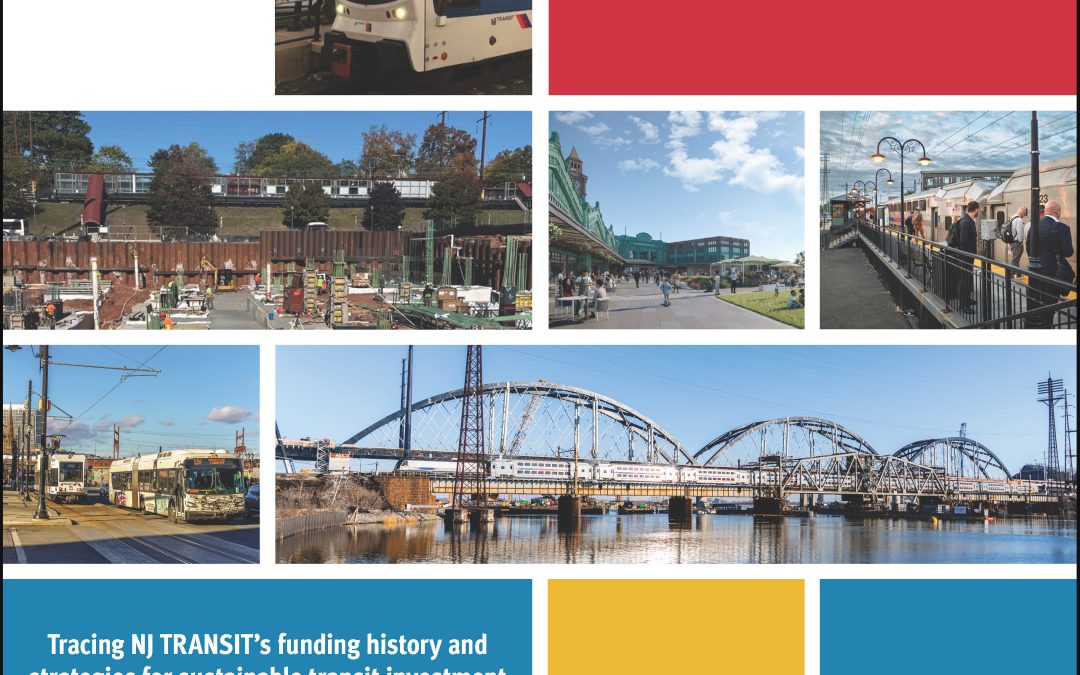
NJ TRANSIT’s funding history shapes today’s transit system—this report maps past decisions and a path to a more reliable future.

Convened by the Transportation Research Board (TRB), the 2026 TRB Annual Meeting was held January 11–15, 2026, in Washington, D.C., at the Walter E....
We compare charging station accessibility for different income groups in the San Francisco Bay Area. Using a microsimulation model, we estimate charging station accessibility under varying battery range scenarios, assuming different income groups have vehicles with...
The New Jersey Micromobility Guide serves as a resource for micromobility users across the state, collecting and summarizing the laws and safety best practices that can make riders safer. Micromobility, which includes e-bikes, e-scooters, and other low-speed devices,...
Most locations across the world have a large un-tapped pool of people who do not bike at all and an even larger pool who do not bike for transportation. To increase cycling, we must better understand this group and the reasons they do not ride. I propose a new theory...
Though data on fatal crashes are available through the Fatality Analysis Reporting System (FARS) and are readily available to the public, many states do not make their crash data (including injuries) easily accessible for the public and the research community. The...