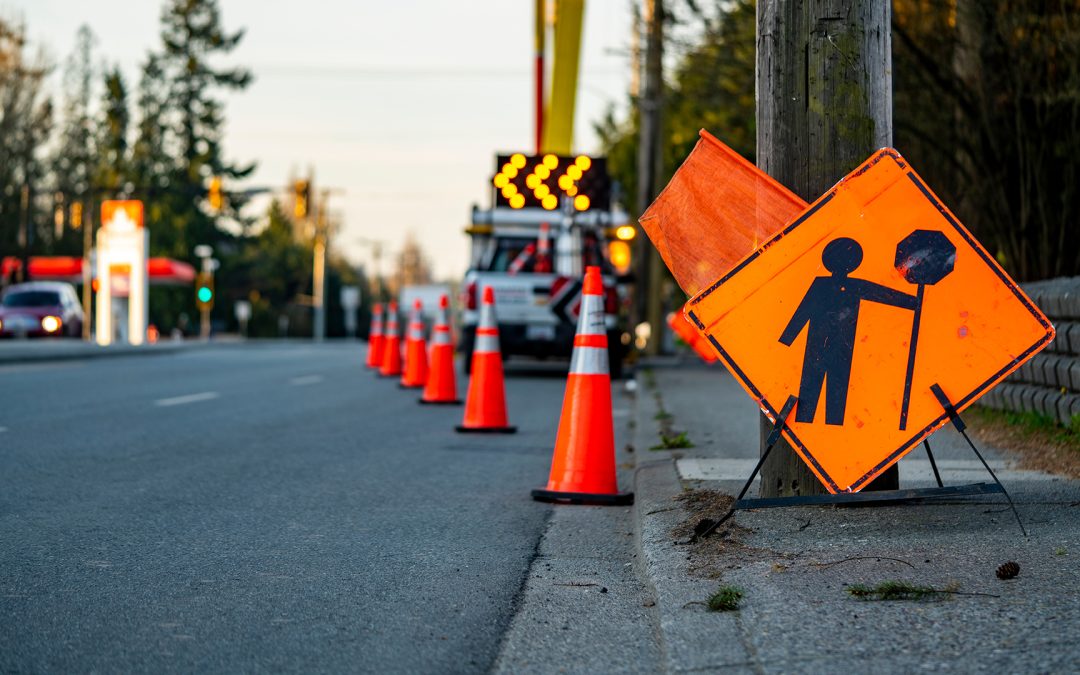
Building NJ’s Target Zero Rapid Response Program will explore using a statewide approach to treat fatal crashes as urgent public safety events, with coordinated, multidisciplinary teams deploying immediate safety measures and informing longer-term improvements.
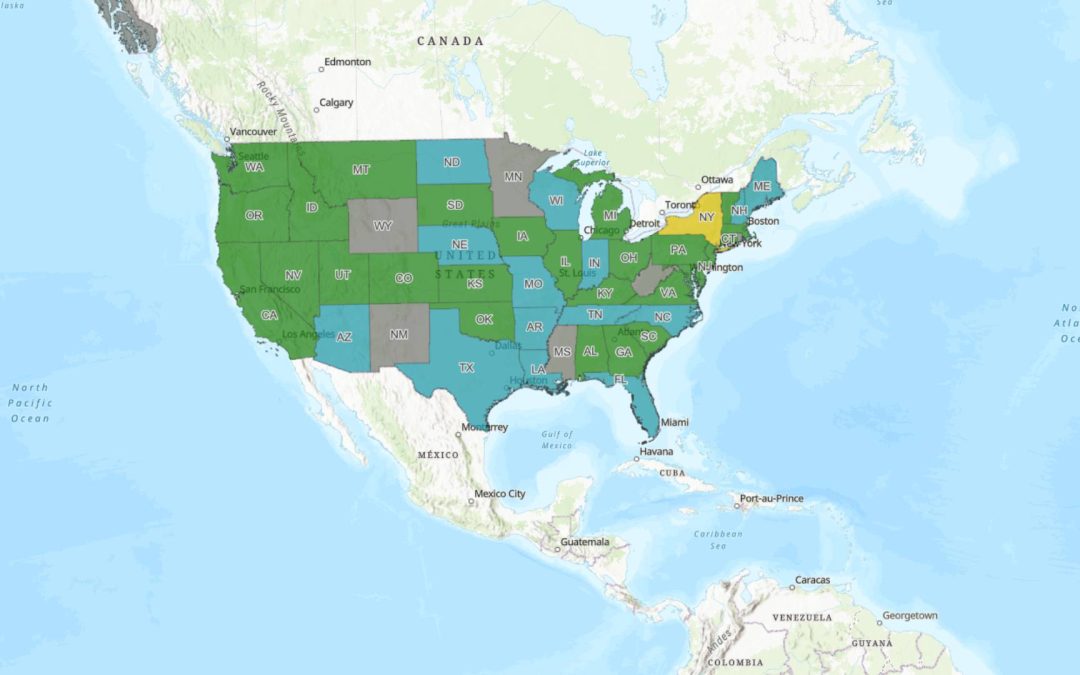
This project supports NJDOT’s compliance with FHWA reporting requirements by using established methods developed by RU-VTC to estimate local roadway revenues and expenditures from FY 2022 or FY 2023 municipal and county financial audit data. The results will be used to complete FHWA Form 536 and provide insight into local transportation funding in New Jersey.
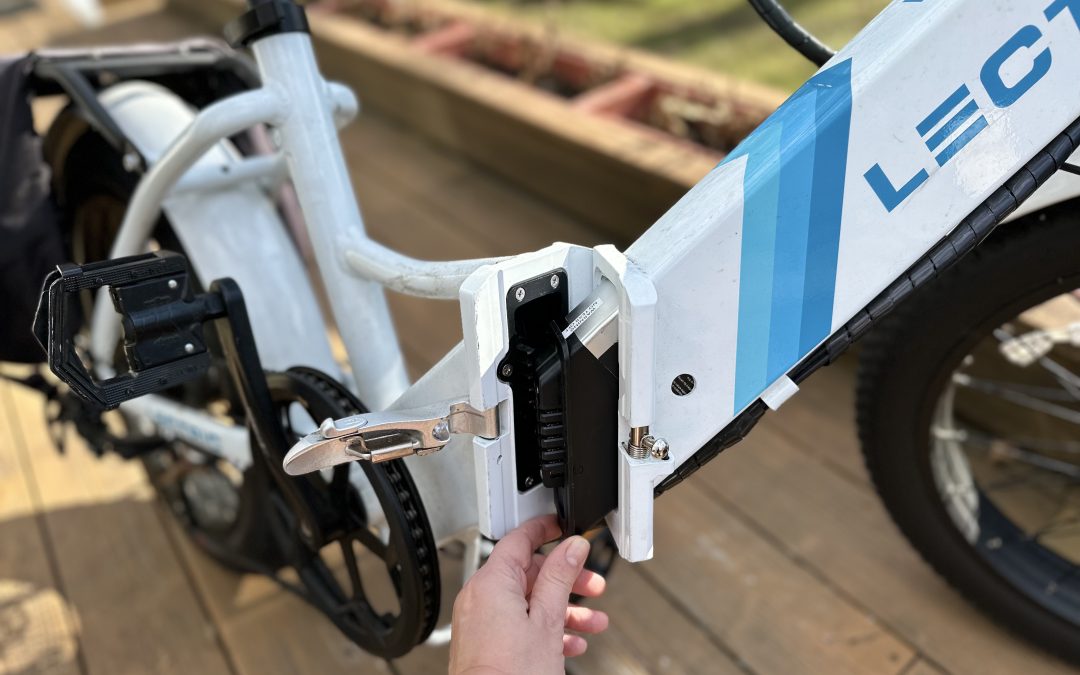
NJ A1487 seeks to establish a rebate program for electric bicycle purchases. This project will examine how similar programs in other states have influenced policies, user behavior, and infrastructure, with a focus on equity and underserved populations.
Transportation researchers rarely publish findings from qualitative methods in peer-reviewed transportation journals; quantitative methods dominate research in the field. In this article, we document the paucity of qualitative research in transportation journals and...
Virtual public involvement (VPI), defined by the Federal Highway Administration as “the use of digital technology to engage individuals or to visualize projects or plans,” is now an essential part of public participation in transportation planning and project...
We report on an analysis of carbon emissions from commuting to a large multi-campus university system, Rutgers, the State University of New Jersey. This is derived from a campus survey to assess carbon emissions and various attitudes towards sustainability across a...
Women and sexual and gender minorities (SGMs) have unique transportation experiences and needs, including public transit services. However, there is a gap in the data that documents their experiences and needs. This paper aims to add to existing research by examining...