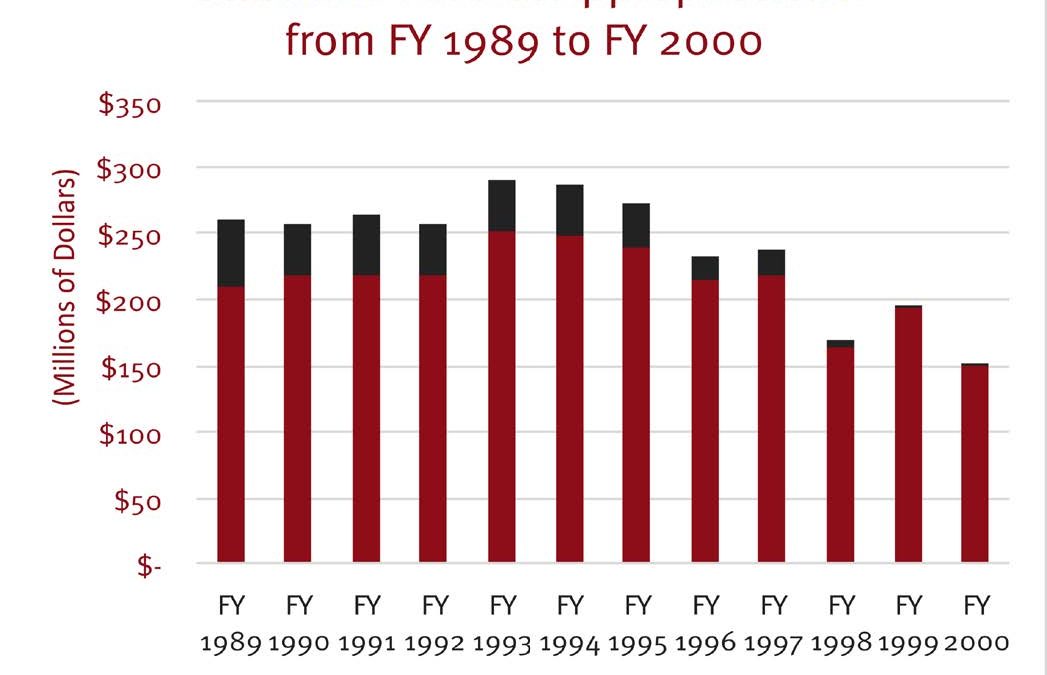
Since 1979, NJ TRANSIT has built the nation’s geographically largest public transit system, shaped by decades of funding and policy decisions. The study traces the history of transit financing in New Jersey and identifies strategies for creating a more stable, sustainable funding future.
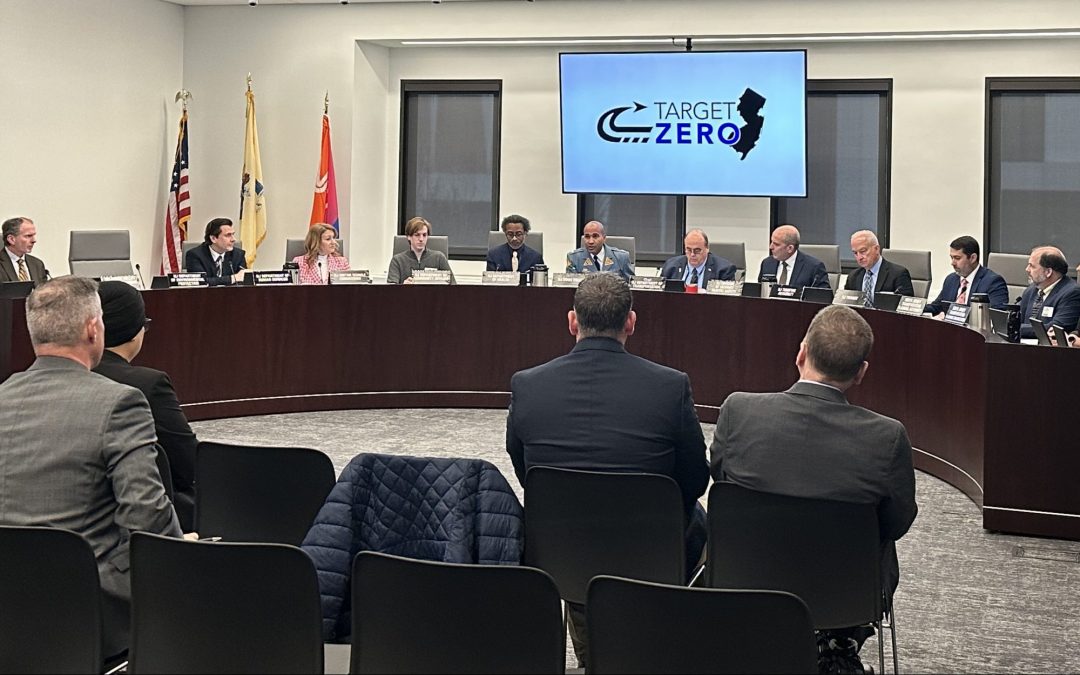
Established by P.L.2024, C.109, the New Jersey Target Zero Commission aims to end roadway fatalities by 2040. VTC will support planning, coordination, and public engagement, including developing a website with safety data, reports, and updates to ensure transparency and alignment with the law’s requirements.
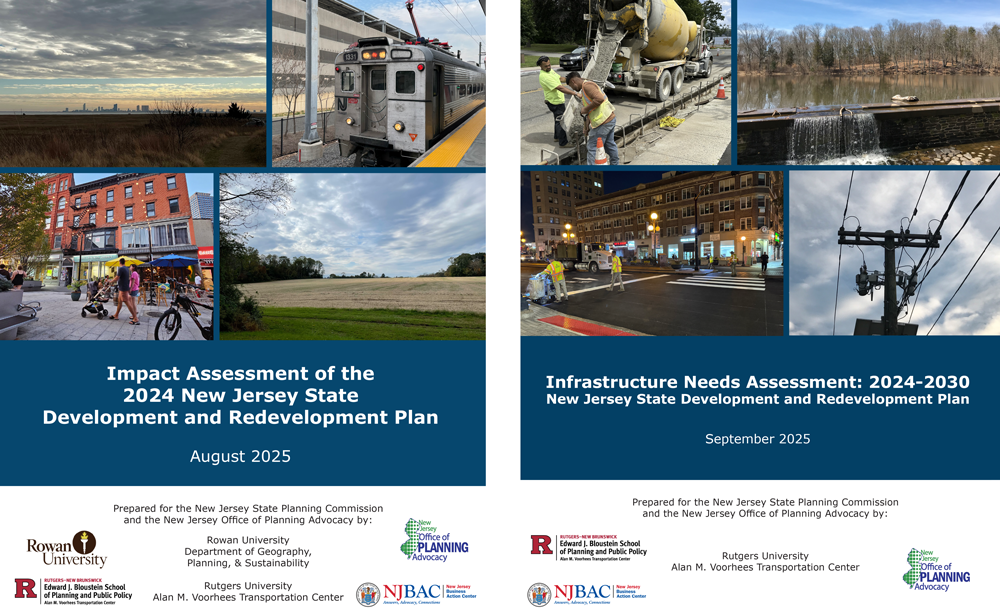
New Jersey is updating its State Plan to guide smart growth, transportation, housing, and infrastructure planning across the state. The Draft Final Plan and related assessments are open for public review before final adoption.
Since its creation in 1979, NJ TRANSIT has grown into the geographically largest public transit system in the United States. Over more than four decades, the agency’s financial structure has shifted in response to changing state and federal priorities—shaping service...
Objective While fatal crashes are available through the Fatality Analysis Reporting System (FARS) and are readily available to the public, many states do not make their crash data easily accessible for the public and the research community. The public has an interest...
Through this research, NJ TRANSIT sought to understand how women and members of the lesbian, gay, bisexual, transgender, queer plus community, sometimes referred to as sexual and gender minorities (SGMs) travel on NJ TRANSIT so the agency can provide better...
Recent advances in biometric sensing technologies, such as eye tracking, heart rate trackers, and galvanic skin response (GSR) sensors, offer new opportunities to measure pedestrian stress level and their travel experiences in real-time. Uncertainty remains about...