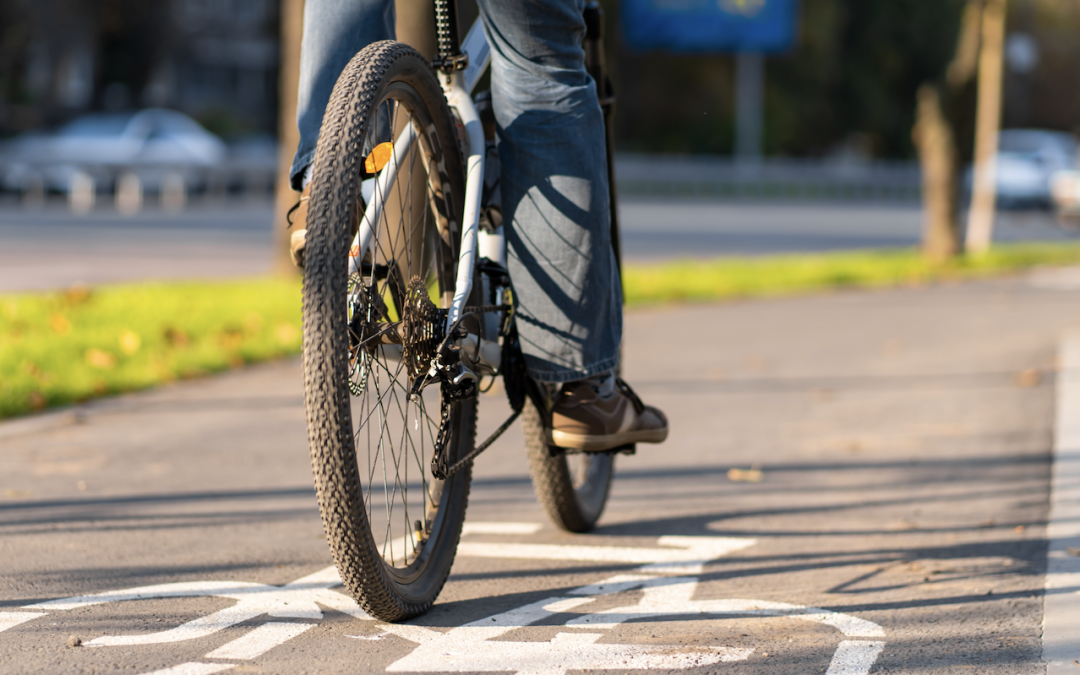
This study proposes a new theory—called the “Dealbreaker Theory”—to explain why many people do not bike, suggesting that individuals have specific, independent cycling needs that must all be met before they will choose to ride, and that understanding and addressing these needs is key to increasing cycling rates.
As travel costs fall with new capacity, the quantity of travel increases. This concept—induced travel—has profound implications but remains unevenly embraced in practice.
Transportation researchers rarely publish findings from qualitative methods in peer-reviewed transportation journals; quantitative methods dominate research in the field. In this article, we document the paucity of qualitative research in transportation journals and...
Virtual public involvement (VPI), defined by the Federal Highway Administration as “the use of digital technology to engage individuals or to visualize projects or plans,” is now an essential part of public participation in transportation planning and project...
We report on an analysis of carbon emissions from commuting to a large multi-campus university system, Rutgers, the State University of New Jersey. This is derived from a campus survey to assess carbon emissions and various attitudes towards sustainability across a...
Women and sexual and gender minorities (SGMs) have unique transportation experiences and needs, including public transit services. However, there is a gap in the data that documents their experiences and needs. This paper aims to add to existing research by examining...