Biometric sensors can track pedestrian stress in real time, but may not always match self-reports. Electrodermal activity captures quick stress spikes, while heart rate and gaze reflect longer-term stress.
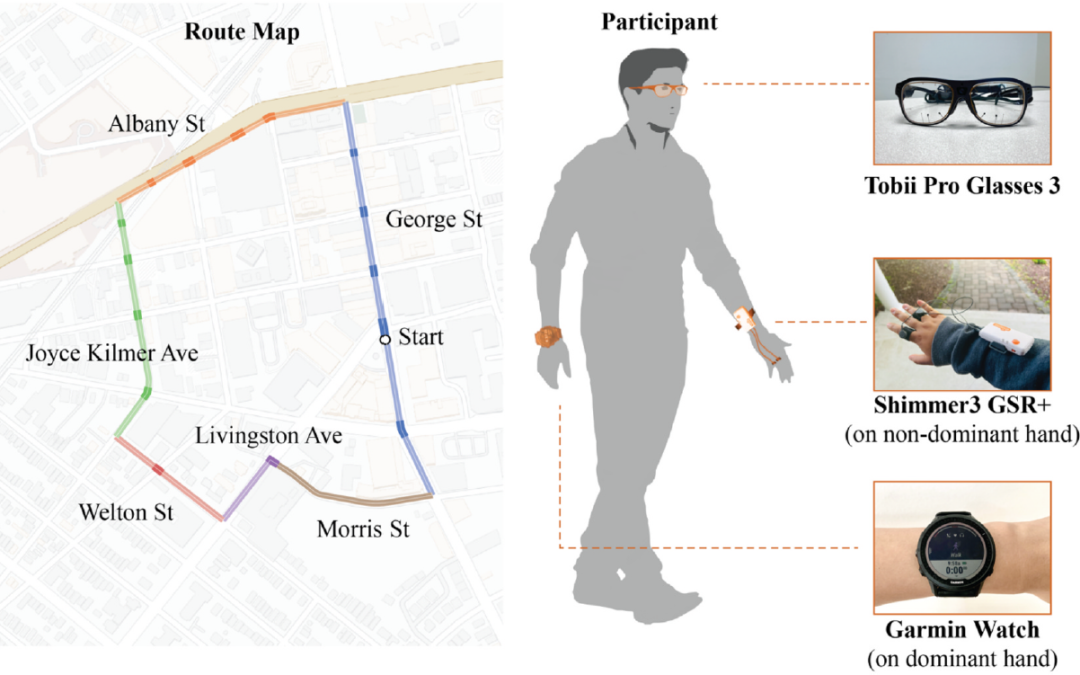


Biometric sensors can track pedestrian stress in real time, but may not always match self-reports. Electrodermal activity captures quick stress spikes, while heart rate and gaze reflect longer-term stress.
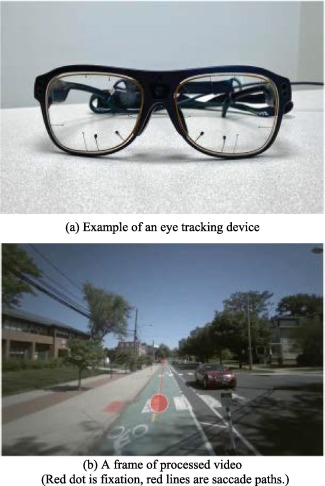
With improved portability and affordability, eye tracking devices have facilitated an expanding range of cycling experiments aimed at understanding cycling behavior and potential risks.
Transportation researchers rarely publish findings from qualitative methods in peer-reviewed transportation journals; quantitative methods dominate research in the field. In this article, we document the paucity of qualitative research in transportation journals and...
Virtual public involvement (VPI), defined by the Federal Highway Administration as “the use of digital technology to engage individuals or to visualize projects or plans,” is now an essential part of public participation in transportation planning and project...
We report on an analysis of carbon emissions from commuting to a large multi-campus university system, Rutgers, the State University of New Jersey. This is derived from a campus survey to assess carbon emissions and various attitudes towards sustainability across a...
Women and sexual and gender minorities (SGMs) have unique transportation experiences and needs, including public transit services. However, there is a gap in the data that documents their experiences and needs. This paper aims to add to existing research by examining...