


2026 Mortensen-Voorhees Award recipient Robert “Bobby” Johnson will join the Port Authority of New York and New Jersey as a Leadership Fellow following his graduation from the Bloustein School.
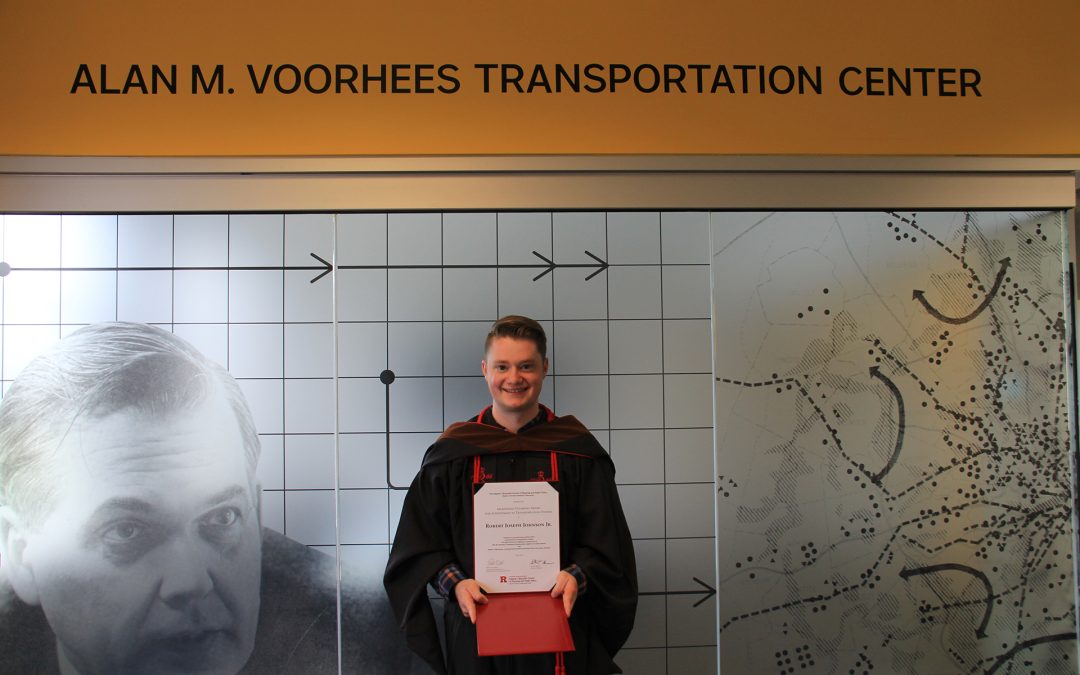
2026 Mortensen-Voorhees Award recipient Robert “Bobby” Johnson will join the Port Authority of New York and New Jersey as a Leadership Fellow following his graduation from the Bloustein School.
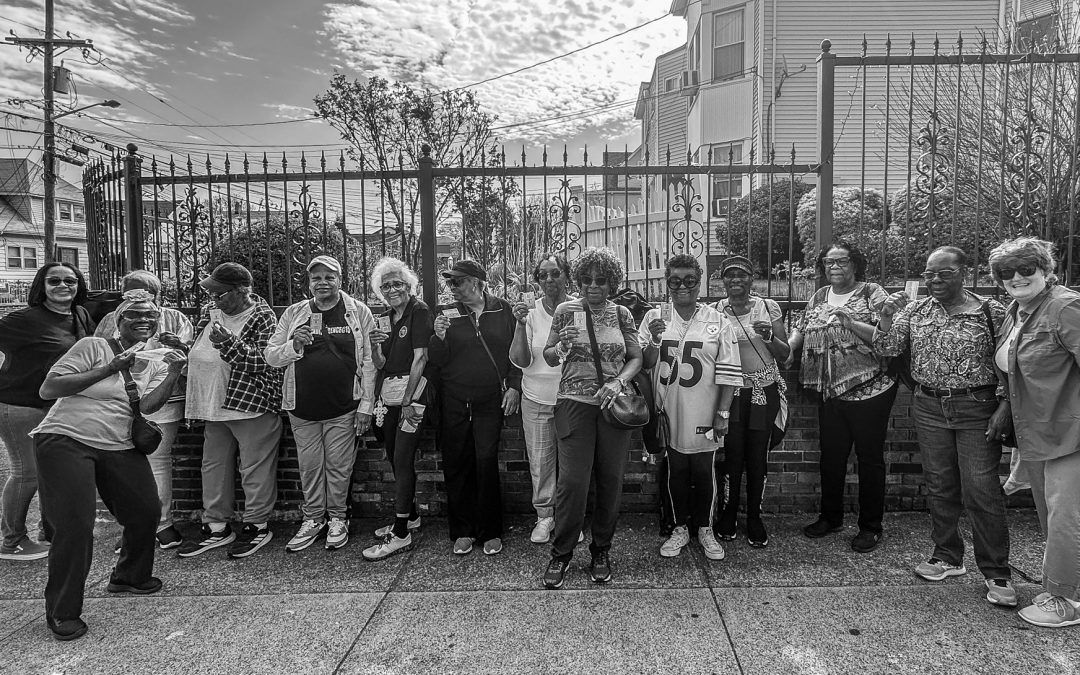
The NJTIP Passaic STEP (Senior Transportation and Engagement Program) continues to empower local older adults. We recently partnered with Paterson’s Riverside Vets Recreation Center to help residents build the skills and confidence to travel independently.
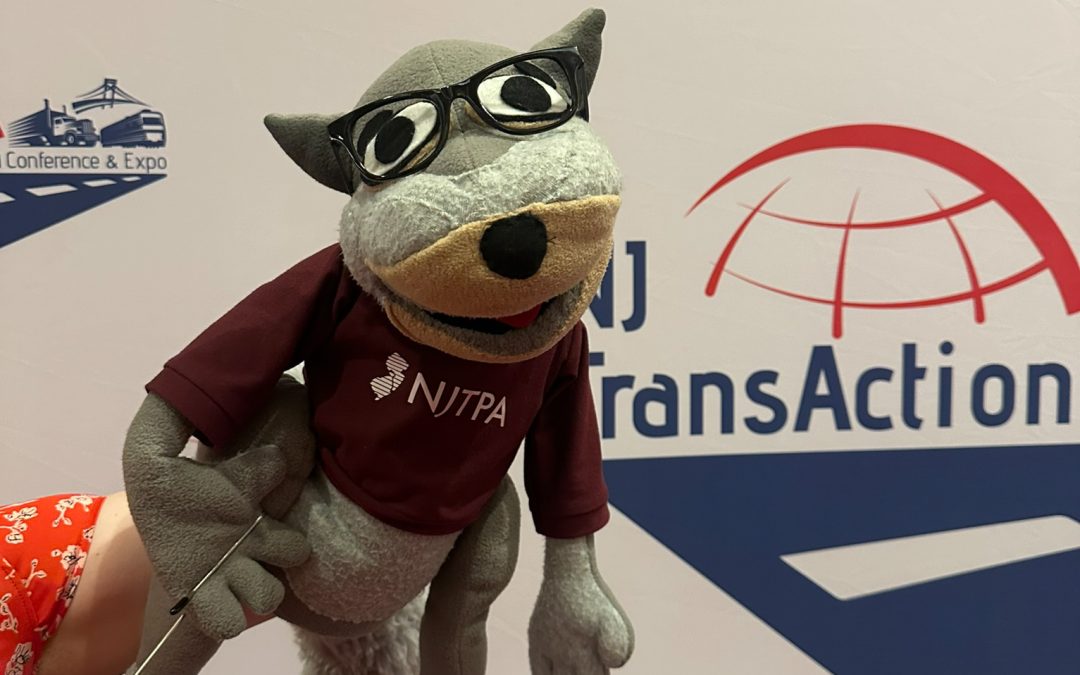
Attending NJ TransAction from a squirrels point of view. Read about Sammy the squirrels great experience!
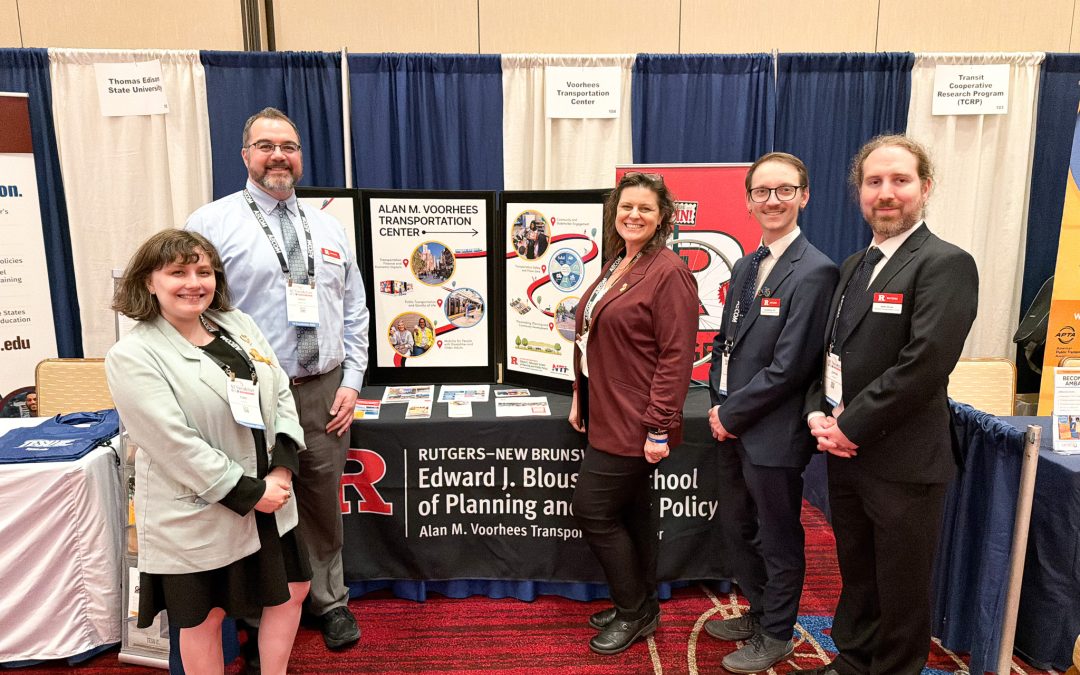
Experts from VTC spoke at the 2026 NJ TransAction Conference in Atlantic City, showcasing our work in transportation and community planning. From public engagement and Complete Streets to school zone and e-bike safety, our team showcased innovative solutions designed to make our roadways safer and more accessible for everyone.

VTC worked with NJTPA to create From Streets to Stadiums, a guide offering ideas for soccer-themed events and demonstration projects that activate public spaces and support local businesses.

Watch VTC Executive Director Leigh Ann Von Hagen present “Getting There Matters: How Active Transportation Creates Connected Communities for Families” at a recent Lunch & Learn webinar with Advocates for Children of New Jersey.

Robert Noland and Lewis Fulton explore ways to reduce oil consumption amidst one of the most severe oil supply disruption in modern history, triggered by the U.S.–Israeli war with Iran and the near‑closure of the Strait of Hormuz.
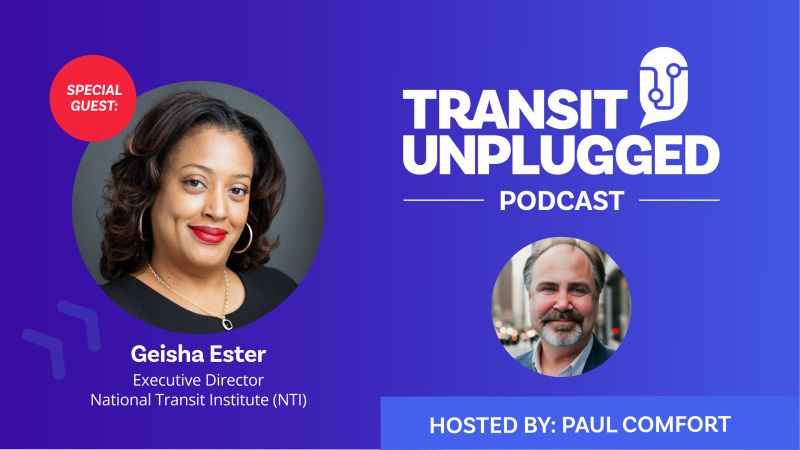
In a recent episode of Transit Unplugged, NTI Executive Director Geisha Ester discusses how the National Transit Institute at VTC is shaping the next generation of transit leaders through no-cost, high-impact training and strategic workforce development.
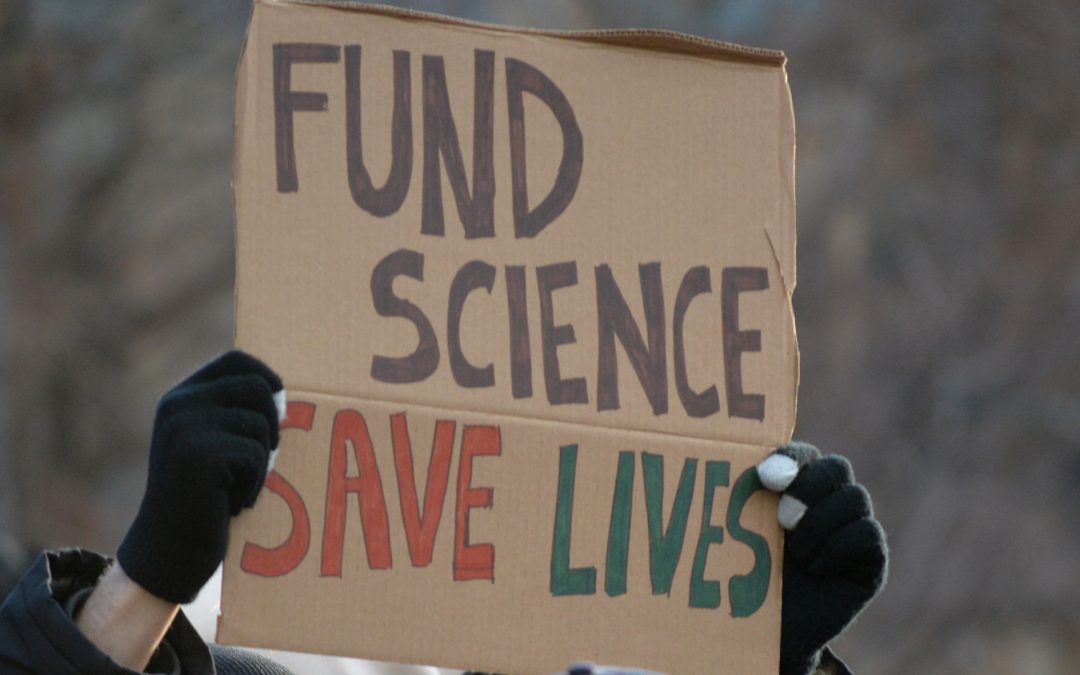
VTC Director Robert Noland discusses the challenges facing scientists and the impact of political decisions on research.

In a new editorial, VTC Director Robert Noland, PhD, reflects on how transportation and environmental research has evolved over the past three decades, highlighting major findings and persistent gaps between research and policy. His perspective underscores why evidence-based planning remains essential to transportation decision-making.
Since its creation in 1979, NJ TRANSIT has grown into the geographically largest public transit system in the United States. Over more than four decades, the agency’s financial structure has shifted in response to changing state and federal priorities—shaping service...
Harassment, discrimination, and violence are major concerns for women and sexual and gender minorities (SGMs) who ride public transit. However, these experiences often go underreported, and agencies may not be aware of the extent of harassment within their services....
Objective While fatal crashes are available through the Fatality Analysis Reporting System (FARS) and are readily available to the public, many states do not make their crash data easily accessible for the public and the research community. The public has an interest...
Through this research, NJ TRANSIT sought to understand how women and members of the lesbian, gay, bisexual, transgender, queer plus community, sometimes referred to as sexual and gender minorities (SGMs) travel on NJ TRANSIT so the agency can provide better...