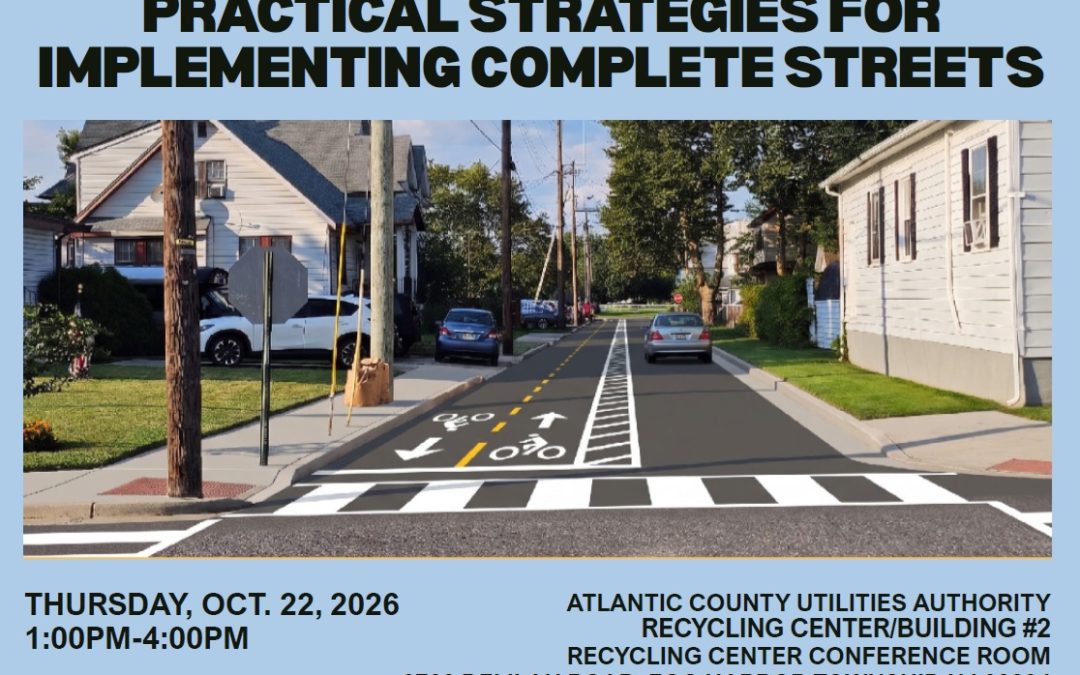
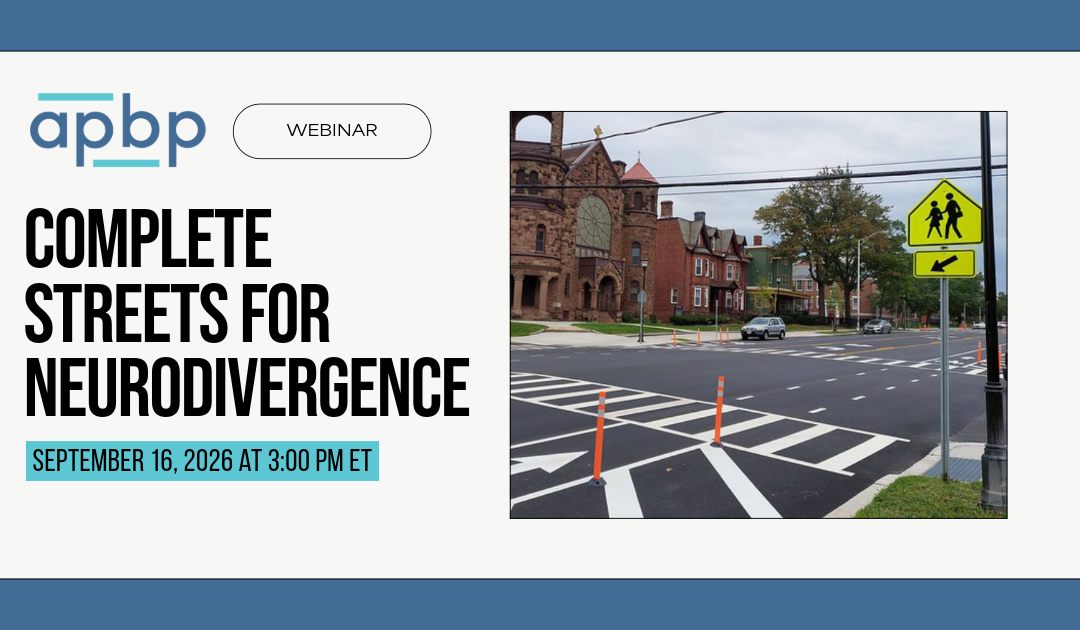
Join transportation professionals and local practitioners for an interactive workshop on Complete Streets planning and implementation. Learn about roadway design strategies, New Jersey case studies, funding opportunities, and resources to help create safer, more accessible transportation networks. AICP CM credits available.
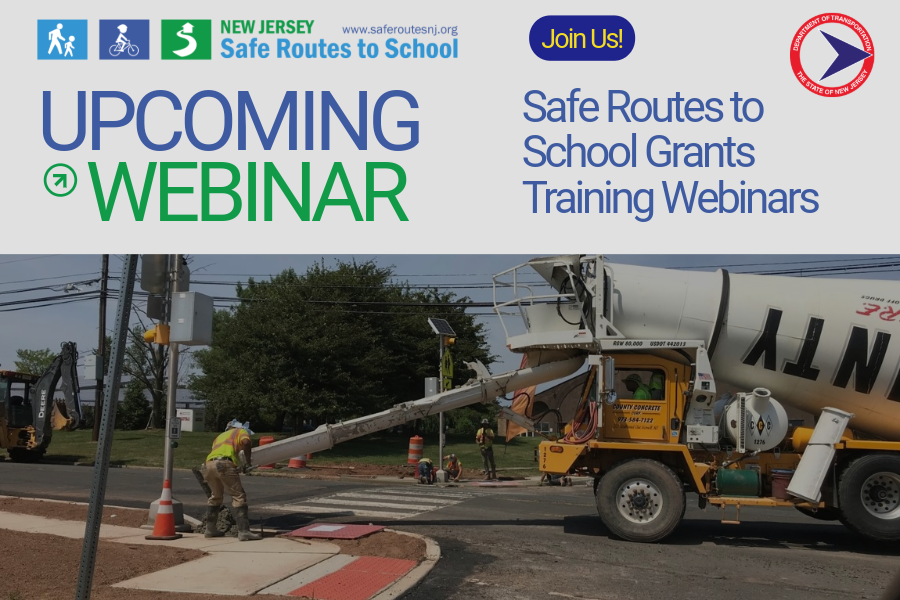
Interested in applying for a 2027 Safe Routes to School (SRTS) Grant? Join a FREE webinar to learn about the program, eligible projects, and application process!
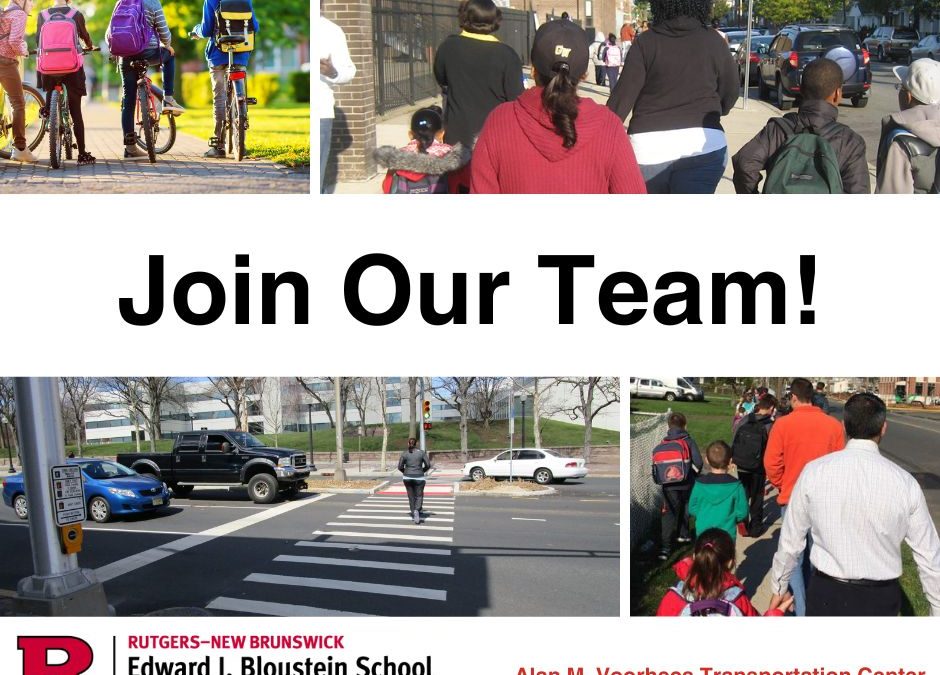
The Alan M. Voorhees Transportation Center at Rutgers, The State University of New Jersey seeks qualified candidates to fill a Business Specialist Supervisor position.
As Peshawar modernizes its transit system, its well-known truck art tradition is fading from public view. A new paper by Bloustein PhD student Shahan Ahmed looks at what this shift means for local culture, identity, and the future of the art form.
Join VTC’s Leigh Ann Von Hagen and Sam Rosenthal as well as NJDOT’s Elise Bremer-Nei as they discuss Planning Complete Streets for Neurodivergence for the September installment of the Association of Pedestrian & Bicycle Professionals (APBP) 2026 Monthly Webinar Series.
The Alan M. Voorhees Transportation Center has released its Strategic Plan 2025–2030, a vision for advancing transportation research, education, and public service over the next five years. The plan reflects input from staff, partners, and stakeholders and establishes priorities for delivering innovative, practical transportation solutions.
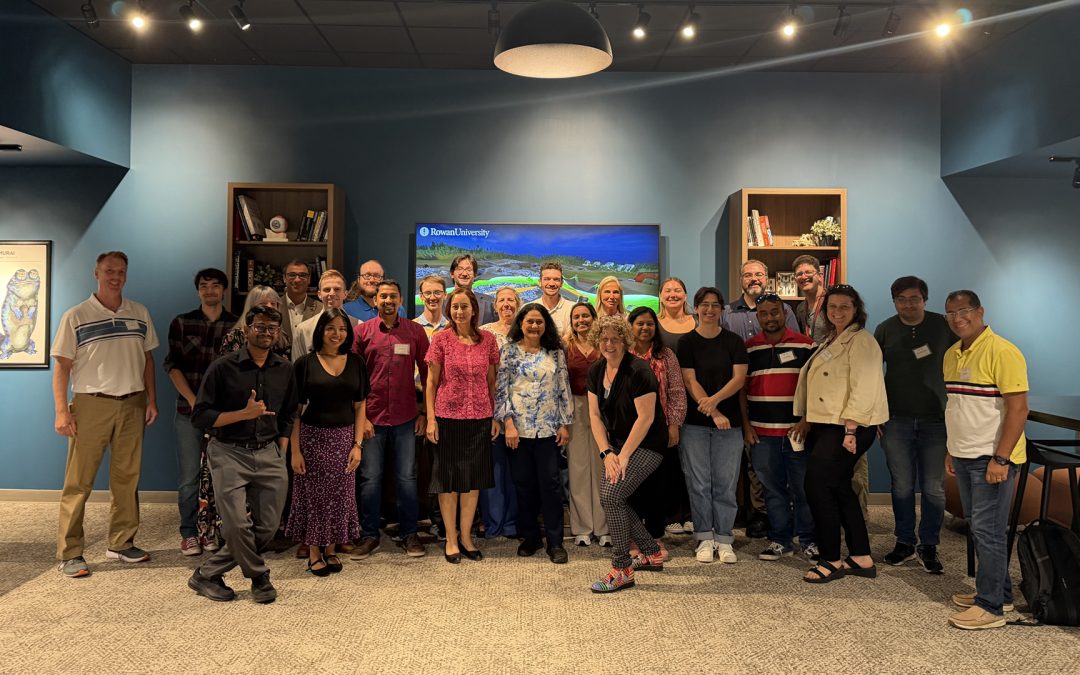
During a recent visit to Rowan University’s MAVRC Center, VTC and NJDOT staff explored immersive technologies and their potential transportation applications. From virtual reality simulations to AI-driven research tools, the visit showcased innovative approaches to planning, training, and public outreach.
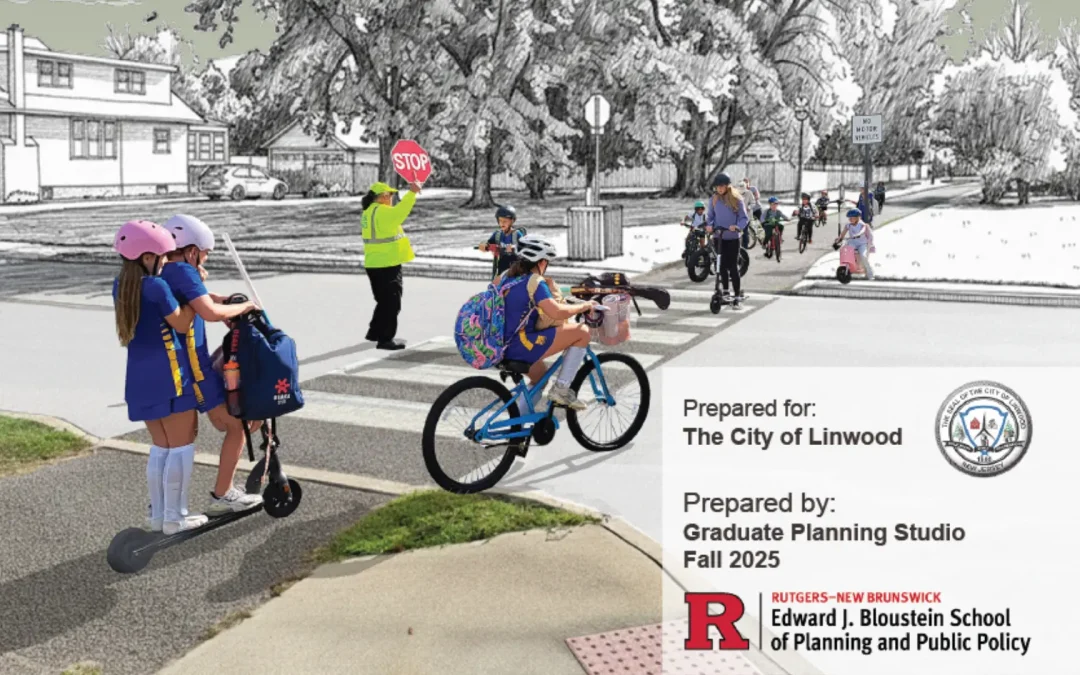
Can a good bike path be made even better? That question guided a Fall 2025 Bloustein School studio led by VTC staff Sean Meehan and Greg Woltman. Working with the City of Linwood, students developed a plan to improve safety, manage congestion near schools, and enhance the user experience along the community’s bike path
Transportation researchers rarely publish findings from qualitative methods in peer-reviewed transportation journals; quantitative methods dominate research in the field. In this article, we document the paucity of qualitative research in transportation journals and...
Virtual public involvement (VPI), defined by the Federal Highway Administration as “the use of digital technology to engage individuals or to visualize projects or plans,” is now an essential part of public participation in transportation planning and project...
We report on an analysis of carbon emissions from commuting to a large multi-campus university system, Rutgers, the State University of New Jersey. This is derived from a campus survey to assess carbon emissions and various attitudes towards sustainability across a...
Women and sexual and gender minorities (SGMs) have unique transportation experiences and needs, including public transit services. However, there is a gap in the data that documents their experiences and needs. This paper aims to add to existing research by examining...