


A new New Jersey State Policy Lab blog by Hannah Younes, Leigh Ann von Hagen, Greg Woltman, and Analise Draghi explores how Rapid Response programs can help improve roadway safety following fatal and serious-injury crashes.
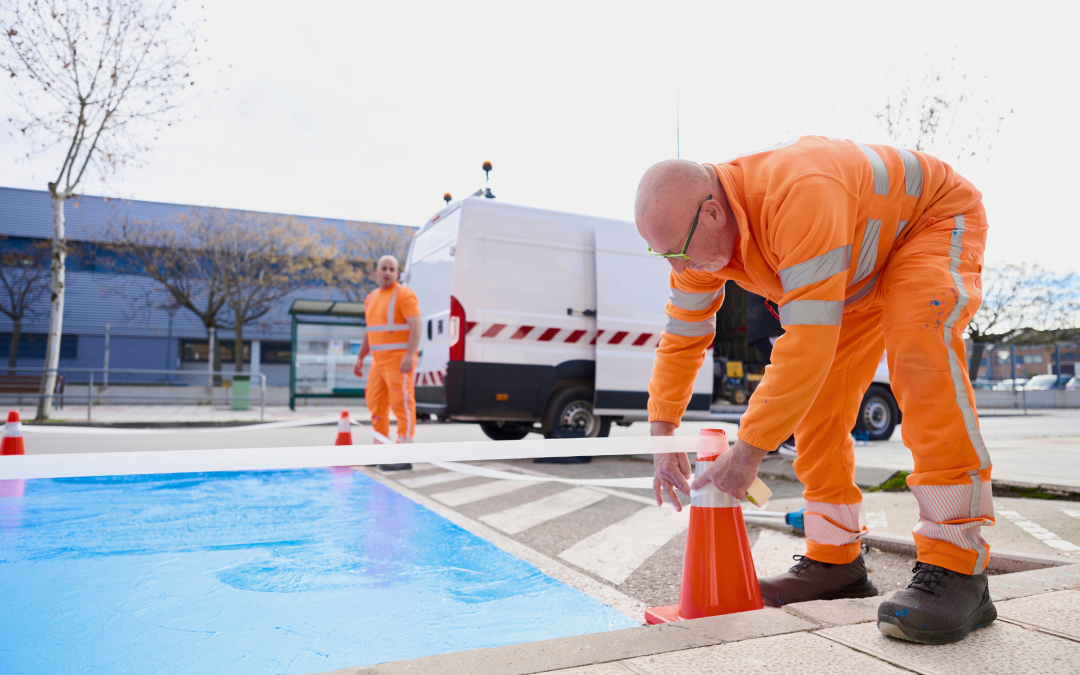
A new New Jersey State Policy Lab blog by Hannah Younes, Leigh Ann von Hagen, Greg Woltman, and Analise Draghi explores how Rapid Response programs can help improve roadway safety following fatal and serious-injury crashes.

After more than three years of research, the National Cooperative Highway Research Program has released Report 1178, Improving Virtual Public Involvement in Transportation Agencies, the first comprehensive U.S. guide focused on virtual public engagement in transportation planning and projects.

Traffic safety officers are invited to register for a free training on Pedestrian Safety Education & Enforcement (PSEE) this summer.
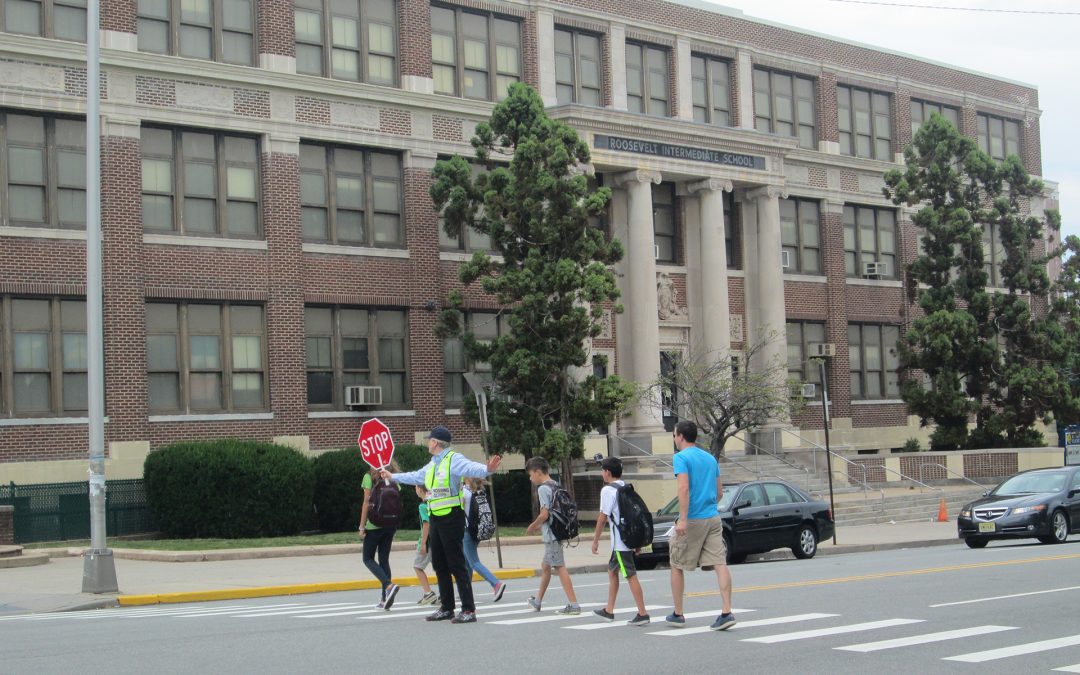
The death of a New Jersey crossing guard underscores the growing dangers they face from speeding and distracted drivers, highlighting broader concerns about traffic safety, accountability, and the need for systemic changes to protect those safeguarding children.
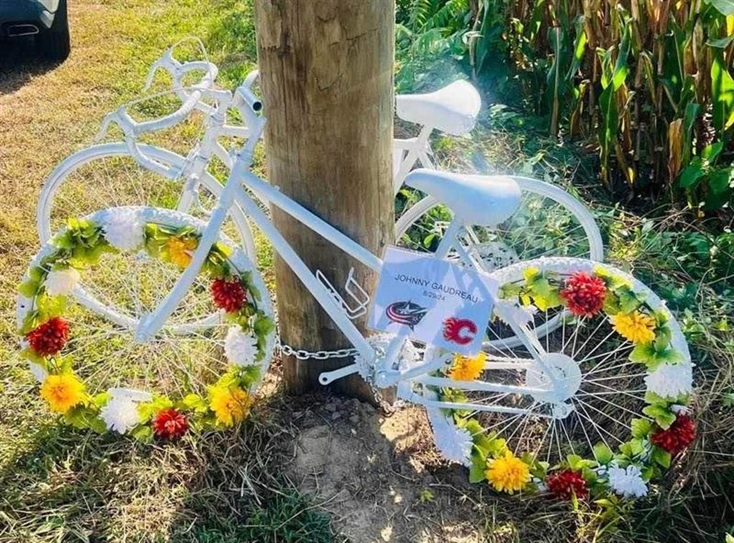
USA TODAY featured insights from VTC’s Leigh Ann Von Hagen and Hannah Younes on road rage involving people on bikes. Von Hagen noted these incidents are rarely recorded—making trends unclear—and may reflect streets designed for speed, not safety. Younes highlighted research showing data gaps that limit understanding of these conflicts.
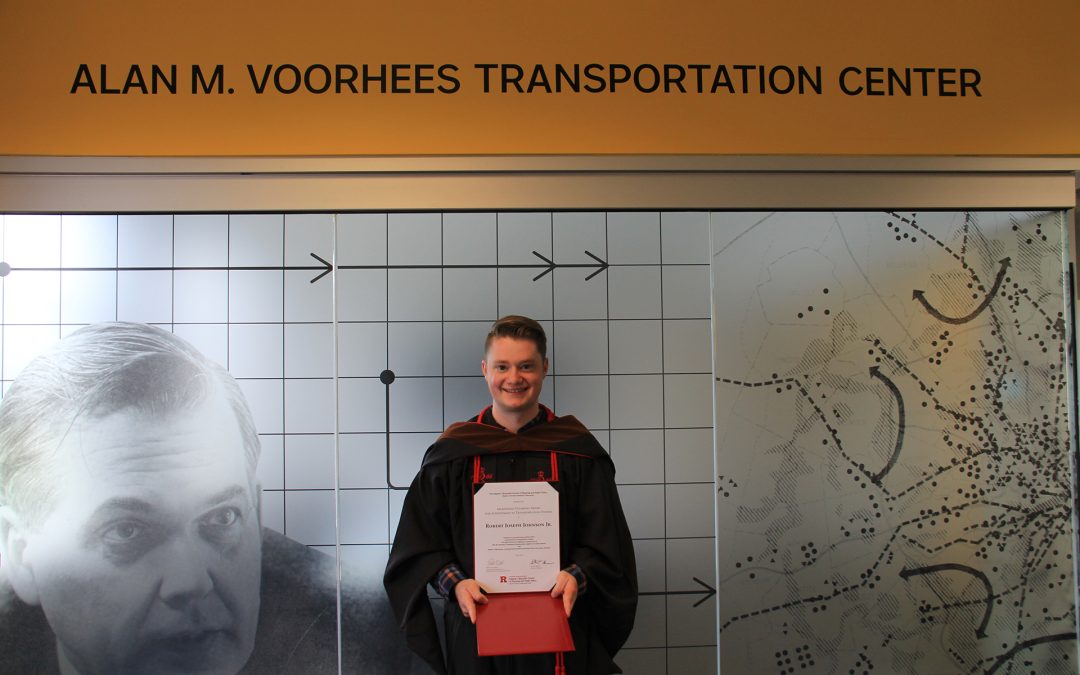
2026 Mortensen-Voorhees Award recipient Robert “Bobby” Johnson will join the Port Authority of New York and New Jersey as a Leadership Fellow following his graduation from the Bloustein School.

Check out some of the recent work from our VTC project teams!
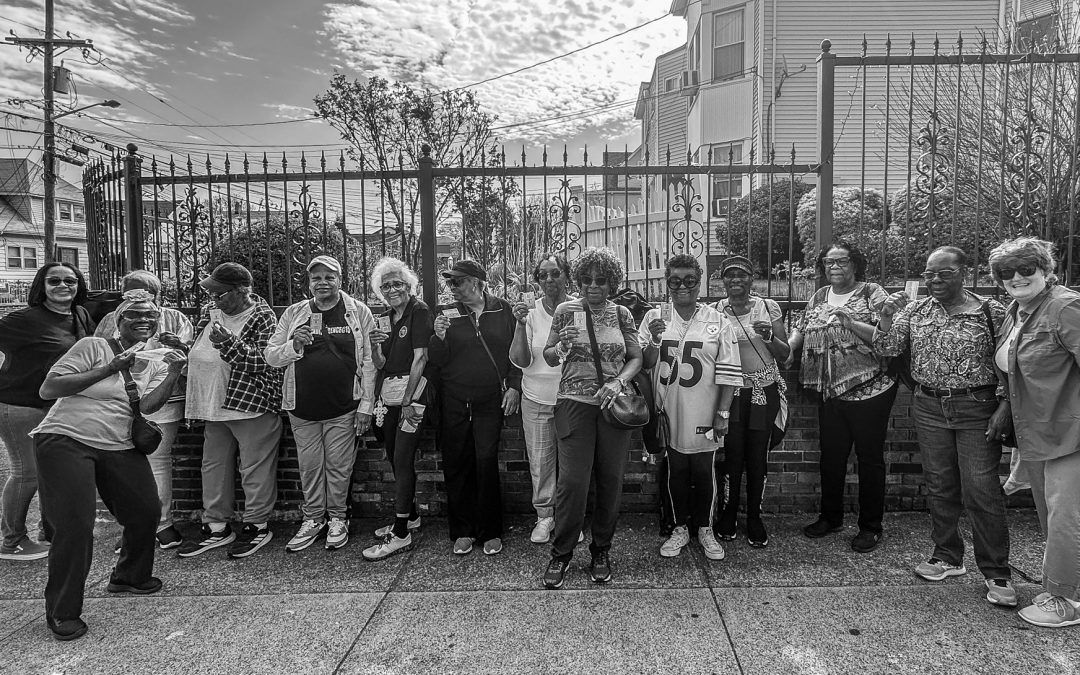
The NJTIP Passaic STEP (Senior Transportation and Engagement Program) continues to empower local older adults. We recently partnered with Paterson’s Riverside Vets Recreation Center to help residents build the skills and confidence to travel independently.
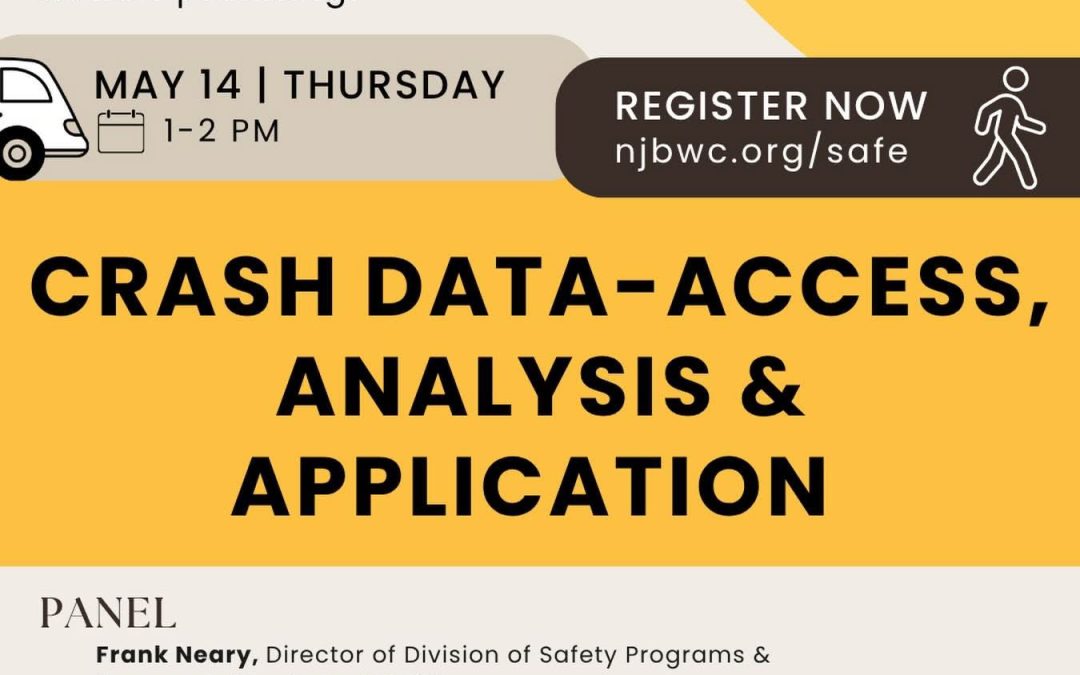
This SAFE Network webinar introduces the AASHTOWARE crash data platform and other key data sources, with a focus on accessing, analyzing, and applying crash data to support safer streets planning.
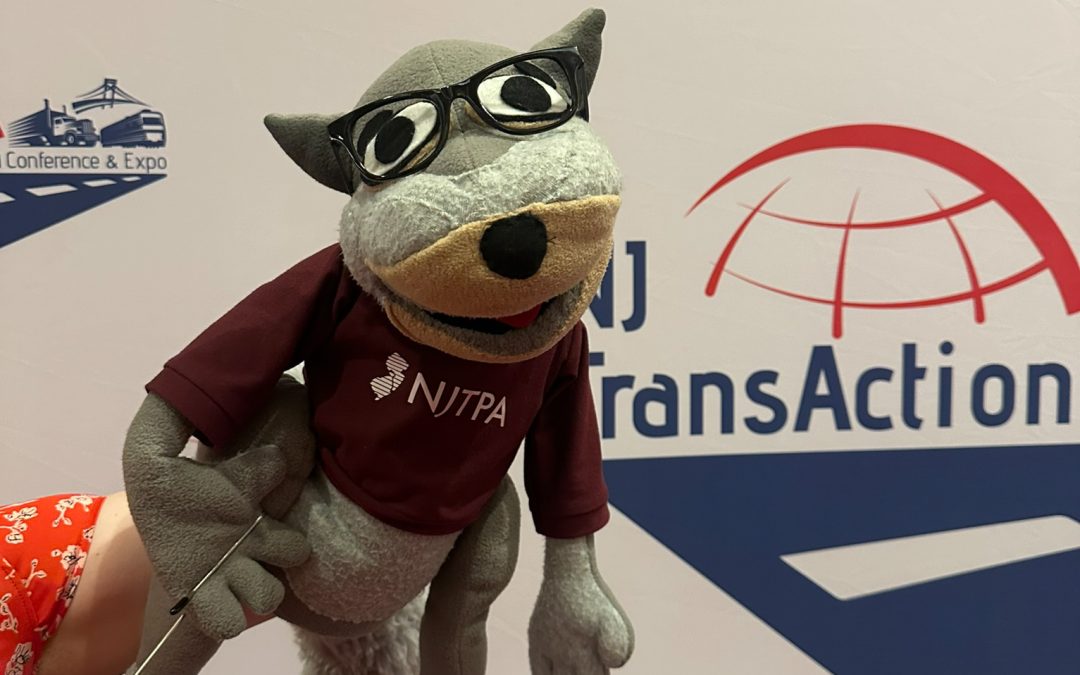
Attending NJ TransAction from a squirrels point of view. Read about Sammy the squirrels great experience!
Since its creation in 1979, NJ TRANSIT has grown into the geographically largest public transit system in the United States. Over more than four decades, the agency’s financial structure has shifted in response to changing state and federal priorities—shaping service...
Harassment, discrimination, and violence are major concerns for women and sexual and gender minorities (SGMs) who ride public transit. However, these experiences often go underreported, and agencies may not be aware of the extent of harassment within their services....
Objective While fatal crashes are available through the Fatality Analysis Reporting System (FARS) and are readily available to the public, many states do not make their crash data easily accessible for the public and the research community. The public has an interest...
Through this research, NJ TRANSIT sought to understand how women and members of the lesbian, gay, bisexual, transgender, queer plus community, sometimes referred to as sexual and gender minorities (SGMs) travel on NJ TRANSIT so the agency can provide better...